

We tend to treat health as a to-do list: more steps, more workouts, more supplements, more early mornings. The unspoken rule is that if something is good for you, then more of it must be better, and rest is what you earn once the real work is finished.
The science of healthy ageing keeps pointing the other way. A lot of what keeps the body running well over decades does not happen while you are pushing. It happens while you are resting. Doing less, in the right places, is one of the most underrated longevity moves there is.
The Myth That More Is Always Better
Effort feels productive, so we trust it. Rest feels like nothing is happening, so we treat it as optional. That instinct is backwards for a lot of what matters over the long run.
Push hard every day with no recovery and the returns start to shrink. Sleep debt builds, stress hormones stay elevated, and the very things you are training for start to slip. The body reads relentless input as a threat, not as progress, and it responds accordingly.
Doing less is not doing nothing. It is making room for the repair, adaptation, and reset that only happen when you stop. The goal is not a smaller life. It is a body that recovers well enough to keep going.
Signs You Are Running on Too Much
Most people do not notice they are overdoing it until the body makes it impossible to ignore. The earlier signals tend to show up long before that point, if you know what to watch for.
-
Tiredness that a full night of sleep does not fix.
-
Catching every cold going around.
-
Feeling wired and exhausted at the same time.
-
Workouts that leave you flat instead of energised.
-
A short temper over small things.
On its own, each one is easy to explain away, but together, they are usually the body asking for less, not more.
The useful response is not to push through with more discipline. It is to pull back and let recovery catch up. Doing less here is not giving up. It is acting on information your body is already handing you.
Sleep Is Where the Repair Happens
If there is one place where doing less pays off most, it is sleep. Sleep is not downtime the body tolerates. It is when a huge amount of maintenance actually gets done.
Overnight, the brain clears waste products, memories consolidate, tissue repairs, and hormones that govern appetite, stress, and recovery are rebalanced. Skip it, and none of that gets its full turn. Short sleep is linked with worse outcomes across almost every marker of long-term health, which makes it one of the highest-value things you can protect.
The practical takeaway is simple. Before adding anything to your routine, defend the hours you already have. A consistent bedtime does more for healthy ageing than most of what gets sold as an upgrade.
Your Nervous System Needs Off Switches
Modern life keeps the body in a low-grade state of readiness. Notifications, deadlines, and a full calendar all nudge the nervous system toward alert mode and keep it there.
That alert state is useful in short bursts. Held for months, it keeps stress hormones like cortisol running higher than they should, and chronic elevation is hard on sleep, mood, digestion, and long-term health. The fix is not another productivity system. It is genuine downtime, where the body gets to switch into rest-and-digest mode and recover.
This is where deliberate rest earns its place. A walk with no podcast, a slow morning with no plan, an evening that ends earlier than it could. These look unproductive and are doing real work underneath.
How to Actually Do Less
Doing less sounds easy until you try it. The pull toward more is strong, so it helps to make rest a decision rather than an afterthought.
A few ways to build it in:
-
Protect sleep first. Set a bedtime and treat it like any other commitment, not the thing that gets cut when the day runs long.
-
Schedule nothing. Leave gaps in the calendar on purpose, and resist the urge to fill every one of them.
-
Do one thing at a time. Constant task-switching keeps the nervous system busy even when you feel like you are resting.
-
Take the easier day. On low-energy days, a gentle walk beats forcing a hard session your body will only have to recover from.
None of these cost anything. They ask you to remove, not add, which is exactly the point.
Longevity is not only built through effort. A large share of it is built through recovery: the sleep, the downtime, and the easier days that let the body repair and adapt. Protecting those is often a better move than adding one more thing to do.
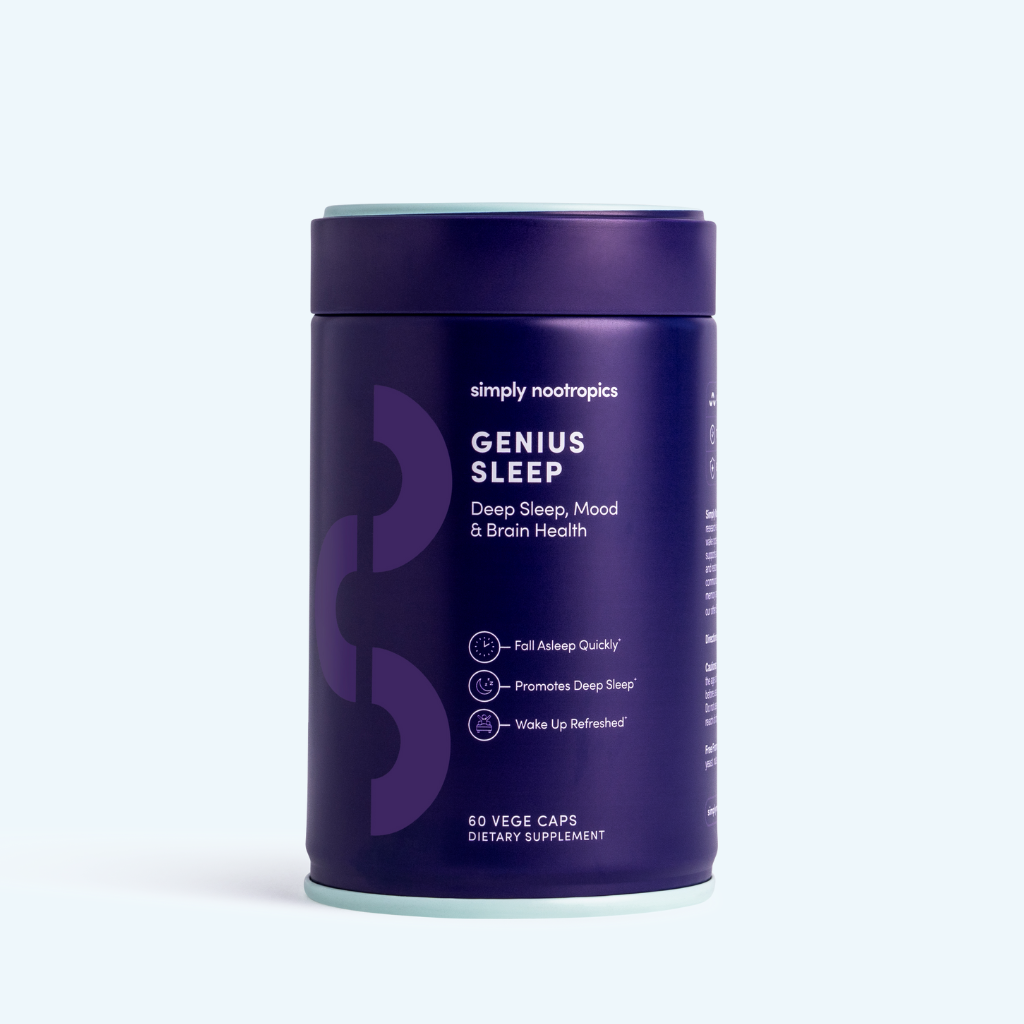
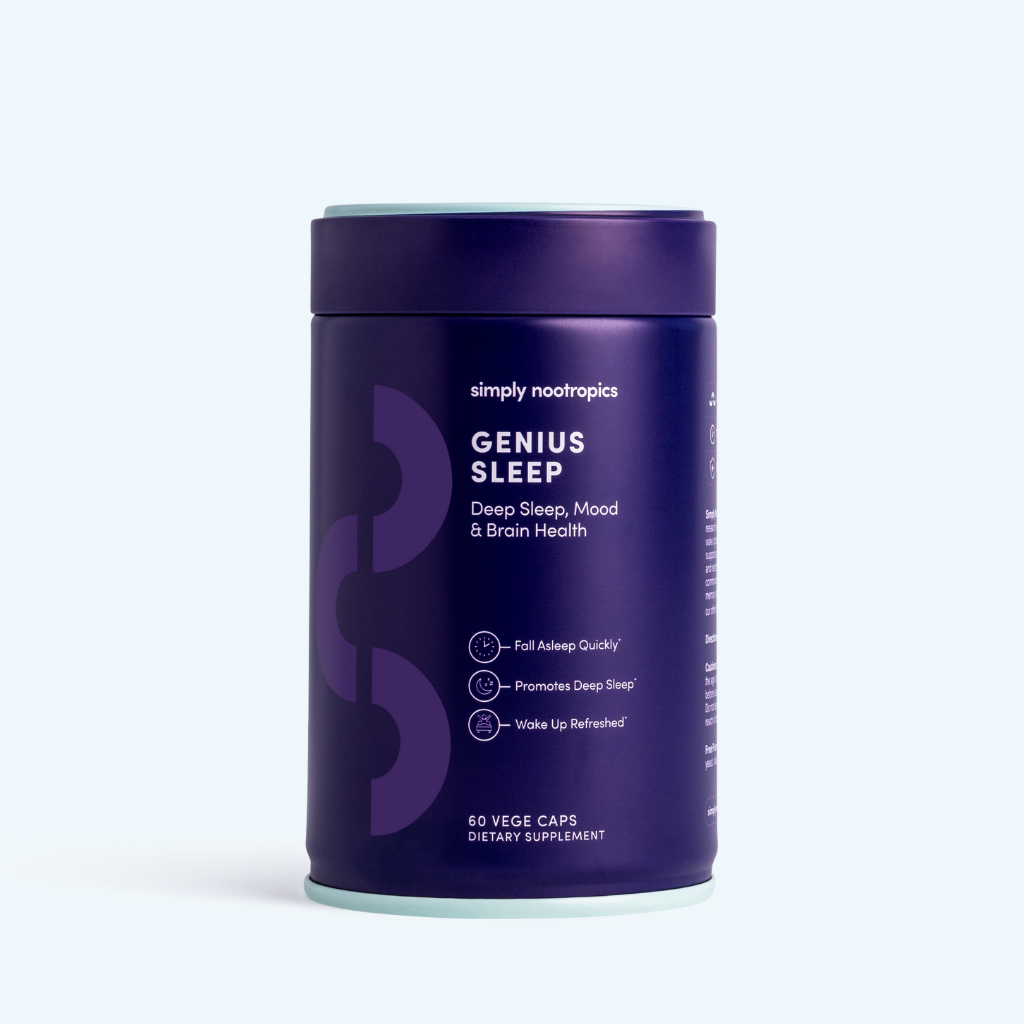
Rest is the foundation, and support for it can help you get more from the hours you already have. Genius Sleep is built for exactly that. It brings together seven ingredients, including magnesium bisglycinate, L-theanine, and reishi, to support the wind-down your body needs to reach deeper, more restorative sleep. Genius Sleep is not a replacement for good habits, it’s a way to help those habits land, so the time you spend doing less actually does more for you.