

Most of us treat sleep as something that either happens or it doesn't, a matter of luck and how busy our heads are at bedtime. Yet one of the biggest influences on how well you rest is sitting on your plate hours earlier.
The food you eat gives your body the raw materials it needs to wind down, produce its own sleep signals, and settle into deeper rest. Get those building blocks right and you make good sleep far more likely. Here are the foods and nutrients that help, and a few that quietly work against you.
How Food Shapes Your Sleep
Your body does not simply switch off at night. It follows a carefully timed set of internal signals, and several of them depend on nutrients you can only get from your diet.
Some foods supply the ingredients your body turns into sleep-regulating messengers. Others help relax the nervous system and muscles, easing the shift from wired to restful. A few even contain small amounts of the sleep hormone itself. None of this is about a single miracle food. It is about giving your body what it needs, consistently, in the hours before bed.
The Key Nutrients for Sleep
A handful of nutrients do most of the heavy lifting when it comes to rest. Research on nutrition and sleep keeps returning to the same short list.
|
Nutrient |
How it supports sleep |
Where to find it |
|
Magnesium |
Helps relax muscles and calm the nervous system |
Leafy greens, nuts, seeds, wholegrains |
|
Tryptophan |
The building block your body uses to make serotonin and melatonin |
Turkey, chicken, eggs, dairy, tofu |
|
Melatonin |
The sleep hormone, present naturally in some foods |
Tart cherries, kiwifruit, grapes |
|
Vitamin D |
Linked with healthier sleep patterns |
Oily fish, eggs, fortified foods |
|
Omega-3 fats |
Support the body's production of sleep signals |
Salmon, sardines, walnuts, flaxseed |
You do not need to track any of these obsessively. A varied diet with these foods showing up regularly covers most of the ground on its own.
The Best Foods to Eat for Sleep
Some foods earn their place at the dinner table more than others when rest is the goal. A few worth leaning on:
-
Kiwifruit, which is rich in serotonin and antioxidants. In one study, people who ate two kiwifruit before bed reported falling asleep faster and sleeping more soundly.
-
Tart cherries, one of the few natural sources of melatonin, often enjoyed as a small glass of juice in the evening.
-
Oily fish such as salmon and sardines, which combine omega-3 fats with vitamin D.
-
Nuts and seeds, particularly almonds, walnuts, and pumpkin seeds, for their magnesium content.
-
Turkey, chicken, eggs, and dairy, all good sources of the tryptophan your body needs to wind down.
-
Wholegrains and oats, which pair well with a light evening snack when hunger might otherwise keep you up.
The theme running through all of them is simple: whole, minimally processed foods that supply the nutrients rest depends on.
Foods and Habits That Work Against Sleep
Just as some foods help, others make rest harder, often without us connecting the dots.
Caffeine is the obvious one, and it lingers far longer than most people expect, so an afternoon coffee can still be in your system at bedtime. Alcohol is trickier still. It may help you drift off, but it fragments sleep later in the night and leaves you less rested.
Large, heavy, or very spicy meals close to bedtime give your body a job to do when it should be settling. If you eat late, keep it lighter, and leave a comfortable gap before your head hits the pillow.
Building a Sleep-Friendly Evening
Small, repeatable habits tend to beat dramatic overhauls. A few that work with your body rather than against it:
-
Eat your main meal earlier in the evening where you can, rather than right before bed.
-
If you are peckish later, reach for a light snack that pairs a little protein with a wholegrain.
-
Keep caffeine to the first half of the day.
-
Wind down with a warm, caffeine-free drink such as chamomile as part of a consistent routine.
Done most nights, these become the quiet scaffolding that good sleep is built on.
The Bigger Picture
Food is a powerful lever for better sleep, but it works best alongside the other fundamentals: natural light in the morning, a consistent bedtime, a cool and dark room, and a genuine wind-down before you sleep.
Think of your evening meal as setting the stage. When the nutrients are in place and the disruptors are dialled back, your body can do what it already knows how to do. Rest, repair, and wake up ready for the day ahead.
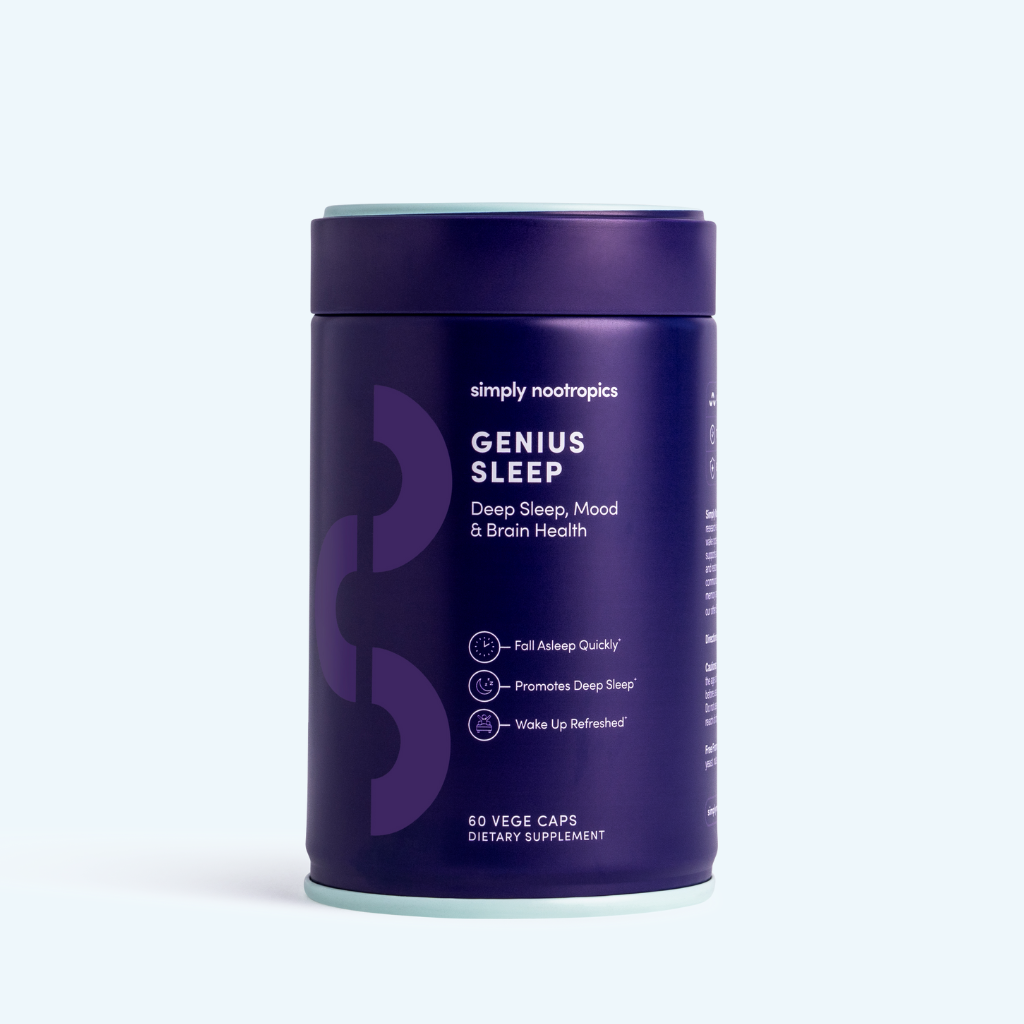
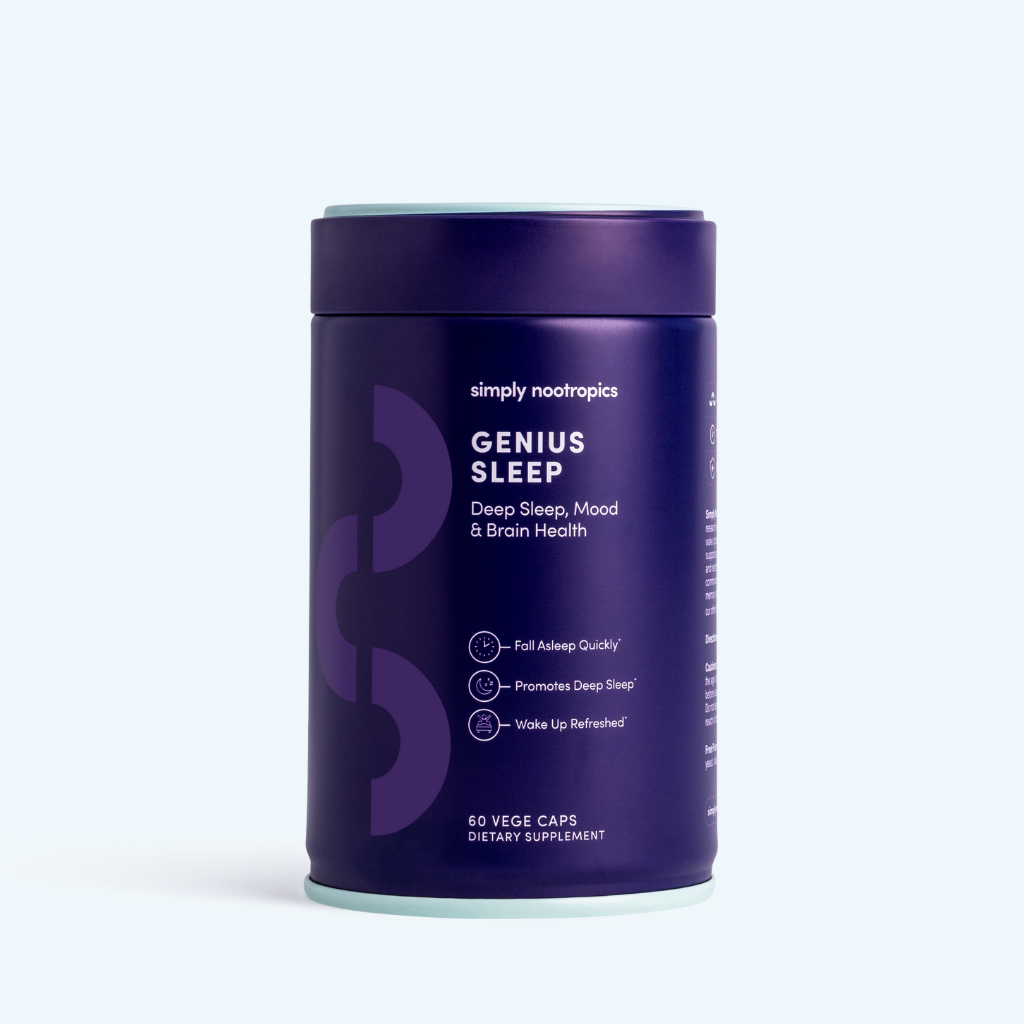
Genius Sleep
Even with a sleep-friendly diet, some nights the mind refuses to slow down. That is where a little extra support at bedtime can make the difference between tossing and truly resting.
Genius Sleep brings together seven nootropics and adaptogens chosen to help you relax and ease into deep, restorative sleep. Calming forms such as magnesium bisglycinate and L-theanine work with your body's own wind-down, so you drift off more easily and wake feeling genuinely rested rather than groggy.
Made in New Zealand and third-party tested, it slots into your evening as simply as a warm drink. If your days are full and your nights could be deeper, Genius Sleep is a gentle place to start.