

At 25, you could decide to start running on Monday and be running by 6am the next day. At 50, the same plan is often abandoned by Wednesday. Many people blame a lack of willpower. The research suggests other reasons.
Several things change as we get older: how the brain learns new routines, how well we sleep, and how full our days are. Each one makes a new habit a little harder to start and keep. Once you know what is happening, you can plan around it.
What a habit actually is
A habit is a behaviour you do automatically in response to a cue. You do not decide to brush your teeth after breakfast. The cue (finishing breakfast) triggers the action without much thought.
Building a habit takes longer than most people expect. In a well-known study from University College London, participants took an average of 66 days to make a new daily behaviour automatic, and the range ran from 18 to 254 days. Missing a single day did not undo progress, but repeating the behaviour in the same context did most of the work.
So the first point is simple: a new habit needs weeks of repetition before it becomes automatic. The question is why those weeks feel harder later in life.
Your brain learns new routines differently
The brain runs two systems side by side. One is goal-directed. It weighs options, thinks about outcomes and makes deliberate choices. The other is habitual. It repeats what has worked before and needs very little effort.
Research suggests the balance between these systems shifts with age. A study in Frontiers in Neuroscience found that older adults relied less on goal-directed decision-making than younger adults and relied more on habitual responses.
This has a few effects:
-
Your existing routines become more fixed, including the ones you would like to change.
-
New behaviours take more deliberate effort before they become automatic.
-
Planning ahead and switching between tasks can take more mental energy than they used to.
None of this means you cannot build new habits. It means the early stage, when a habit still needs deliberate effort, lasts longer.
Dopamine and motivation change too
Dopamine plays a central role in motivation and in learning which actions lead to rewards. That learning process is how a new behaviour starts to feel worth repeating.
A review in Neuroscience and Biobehavioral Reviews describes how dopamine signalling declines steadily across adulthood, and links that decline to age-related changes in memory and processing speed. Broader research on normal cognitive ageing also describes gradual changes in processing speed, attention and executive function with age.
In practical terms, the reward from a new habit can feel weaker or slower to arrive. If a walk or a new morning routine does not feel satisfying straight away, you are more likely to stop doing it.
Sleep affects your self-control
Sleep changes with age. A large analysis in the journal Sleep found that time spent in deep sleep falls across adulthood, and that people wake more often during the night as they get older.
Poor sleep makes habit-building harder. Research in Frontiers in Human Neuroscience found that people with poorer sleep habits reported lower self-control. When you are tired, you are more likely to skip the gym, reach for something convenient to eat and fall back on old patterns.
Your days are fuller and less predictable
Biology is only part of the picture. Midlife often brings more responsibility at work, at home and with family. Many people care for children and ageing parents at the same time.
A full schedule makes habits harder for a few reasons:
-
Habits rely on stable cues, and a busy week rarely looks the same twice.
-
Decision fatigue builds across the day, so evening plans are often the first thing you drop.
-
Your own goals tend to move to the bottom of the list when other people need you.
When the cue disappears, the habit usually goes with it.
How to make habits stick at any age
Research on habit formation also points to strategies that work with these changes rather than against them.
-
Tie the habit to something you already do. A paper in the British Journal of General Practice on making health habitual recommends pairing a new behaviour with an existing routine. For example, you could take a short walk straight after lunch every day.
-
Decide exactly when and where. A large review found that specific “if-then” plans made people more likely to follow through. “If it is 7am and I have made my coffee, then I will stretch for five minutes” works better than “I will stretch more.”
-
Start smaller than you think you need to. A five-minute version of a habit is easier to repeat every day, and daily repetition is what makes a habit automatic.
-
Protect your sleep. Go to bed and wake up at similar times, keep screens out of the last half hour before bed, and treat sleep as part of the plan.
-
Expect the early weeks to feel effortful. Remind yourself that the first two months are the hardest part, and that missing one day does not reset your progress.
-
Make the reward visible. Tick off each day on a calendar or keep a short note of how you feel. Seeing your progress gives your brain the reward signal that a new habit needs.
Why focus matters when you build a habit
Every one of these strategies asks something of your attention. You need to remember the plan, notice the cue and choose the new behaviour over the old one, often at the end of a long day. That is why steady focus and mental clarity matter so much when you are trying to change a routine.
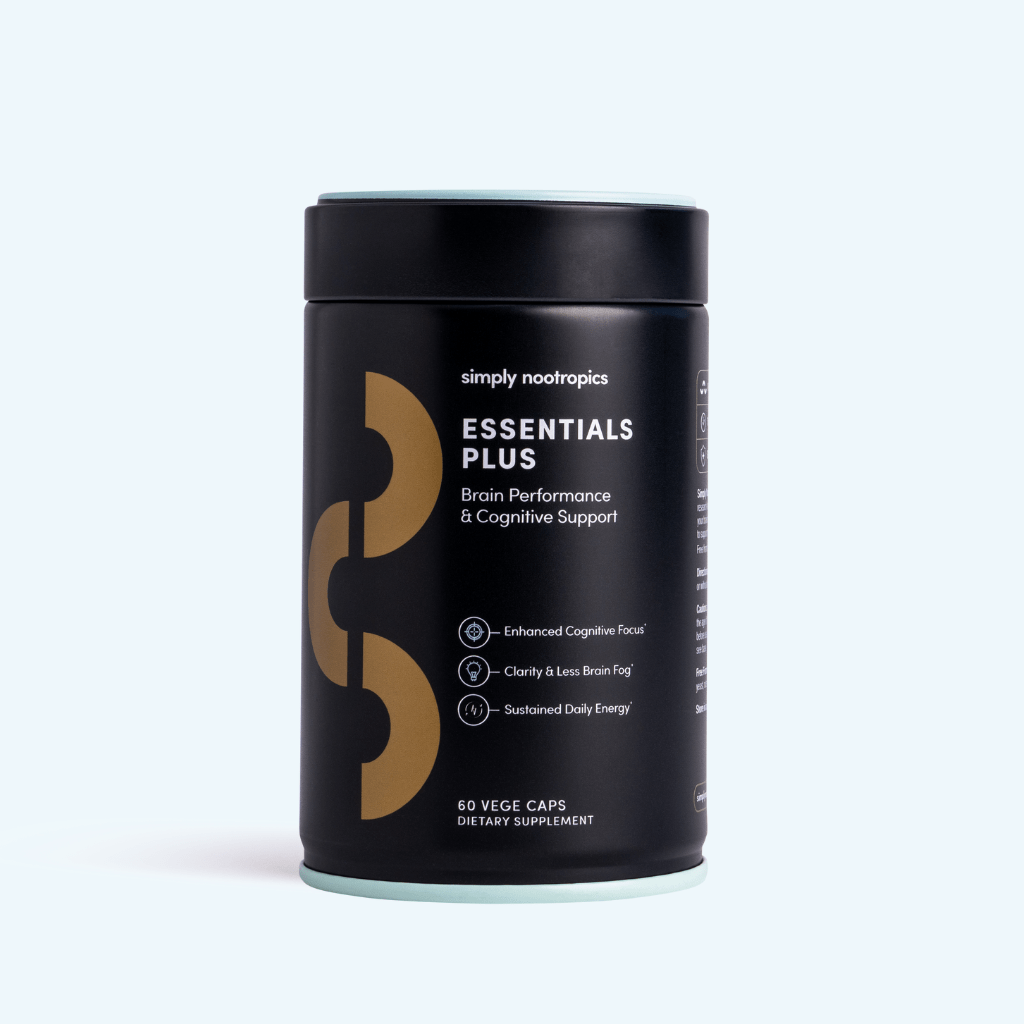
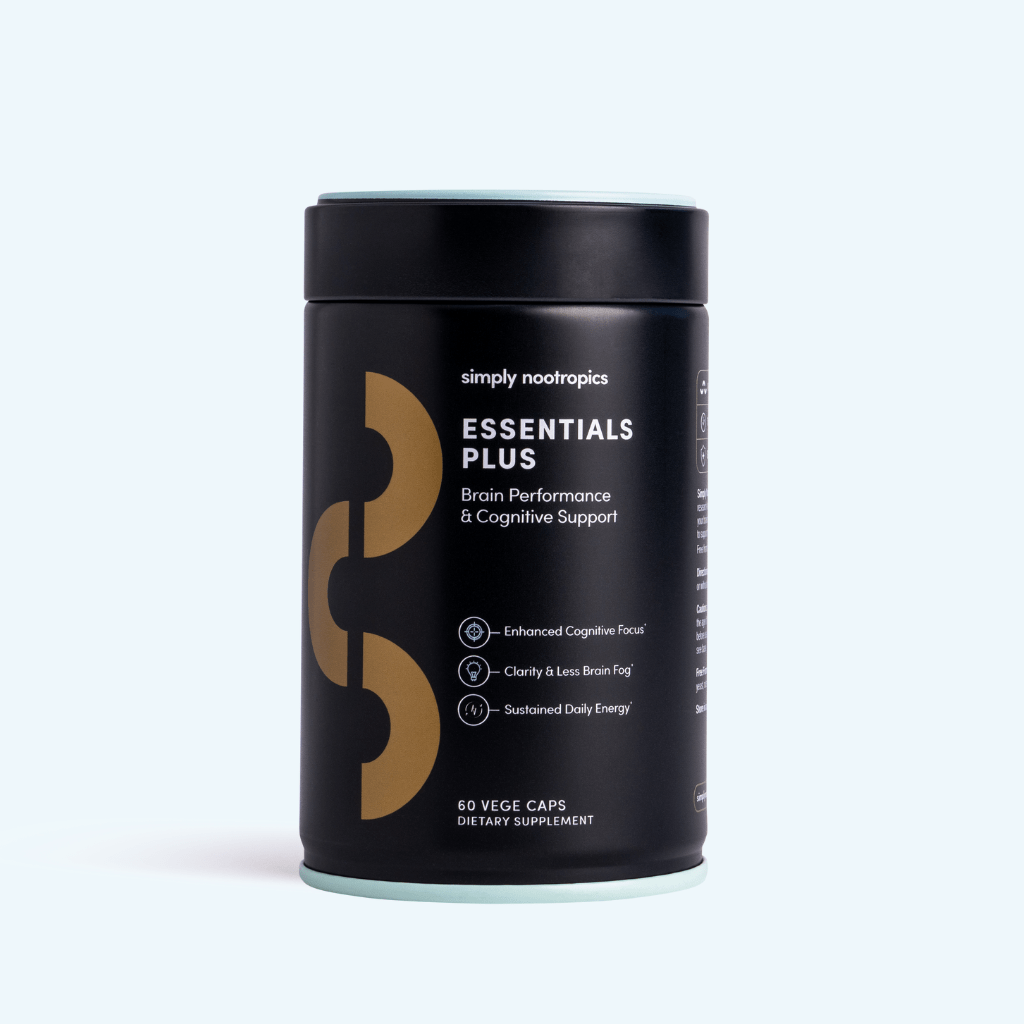
Essentials Plus was made for exactly that kind of day. It combines eight nootropics in one daily dose to support focus, memory and mental clarity, with no stimulants, so you get steady support without the jitters. Every ingredient and amount is listed on the label, with no proprietary blends, and the formula is third-party lab tested. Pair your daily dose of Essentials Plus with the habit you are building, and give your brain steady support while the new routine becomes automatic.