

We usually picture a long, healthy life as the sum of the obvious things: what is on your plate, how often you move, how well you sleep. Those fundamentals matter enormously, and nothing here replaces them.
But researchers keep finding that something quieter shapes how we age too, and it has nothing to do with your food shop or your step count. It is the way you expect your life to unfold. People who lean towards a hopeful, expectant view of the future tend to live longer, and to stay healthier while they do.
That might sound like wishful thinking. The evidence behind it is anything but.
What We Actually Mean by Optimism
Optimism is not relentless cheerfulness, and it is not pretending everything is fine. Psychologists define it more precisely as a general expectation that good things will happen and that you can influence the outcome of your own life.
There are two flavours worth knowing. Dispositional optimism is your overall outlook, the background setting for how you see the road ahead. Explanatory style is how you make sense of events when they happen, particularly setbacks. An optimistic style reads a bad day as specific and temporary rather than permanent and all-consuming.
Both are measurable, both are linked to health, and both matter for the same reason: they change how you behave and how your body responds to stress over the course of years.
What the Research Actually Found
One of the largest studies on this came out of Boston University and Harvard, published in the journal PNAS in 2019. Researchers followed more than 70,000 adults across two long-running studies, one of women and one of men, for up to three decades.
The findings were hard to ignore. The most optimistic people lived measurably longer than the least optimistic, and were far more likely to reach an advanced age.
|
Measure |
Most optimistic vs least optimistic |
|
Average lifespan |
Around 14.9% longer |
|
Odds of reaching age 85 |
50 to 70% greater |
Crucially, the link held even after the researchers accounted for existing health conditions, education, and lifestyle habits. Optimism was not simply a marker of already being well. It appeared to be pulling its own weight.
This is not the only study pointing that way. Separate research has linked a more optimistic outlook with better heart health and a lower overall risk of dying early, across very large groups of people. When different studies, different populations, and different methods keep landing in the same place, it is worth paying attention.
The Habits Optimists Tend to Keep
Part of the answer is refreshingly practical. People who expect their efforts to pay off are more likely to actually make those efforts, and to stick with them.
Research consistently finds that more optimistic people tend to:
-
Stay physically active more consistently, rather than starting and stopping
-
Eat in a more balanced way and drink less heavily
-
Prioritise sleep and wind-down routines
-
Follow through on health check-ups and professional advice
-
Reach out to others rather than withdraw when life gets hard
None of these is dramatic on its own. Compounded over decades, they add up to a very different trajectory. Optimism, in this sense, is less a single magic ingredient and more the engine that keeps the healthy habits running.
What Happens Under the Surface
Behaviour is only half the story. Optimism also seems to change how the body handles pressure.
When something stressful happens, the body mounts a response designed to be short and sharp. The trouble comes when that response never fully switches off. Chronic, low-grade stress places steady strain on the heart and circulation and keeps the body in a state of alert it was never meant to hold for long.
Optimistic people appear to recover from stressful moments more smoothly. They are more likely to see a difficult situation as manageable, which softens the intensity and the duration of the stress response. Over years, easing that constant load may be one of the ways outlook translates into better long-term heart health and resilience.
How to Build a More Optimistic Outlook
Here is the genuinely good news. Optimism is not a fixed trait you are either born with or not. Psychologists treat it as a skill, one that responds to practice much like fitness or flexibility does.
A few evidence-informed ways to strengthen it:
-
Write down one thing that went well each day, and why it happened. Naming the cause trains you to notice your own influence.
-
When a setback lands, challenge the story. Ask whether it is really permanent, or just this once.
-
Set goals small enough that you regularly get to feel progress. Momentum feeds optimism more than grand plans do.
-
Protect time with the people who leave you steadier, and be honest about the ones who drain you.
-
Watch how much heavy news you take in, especially late at night, and give your mind something calmer to close the day on.
Consistency matters far more than intensity. A small daily practice, kept up, reshapes an outlook more reliably than an occasional burst of motivation.
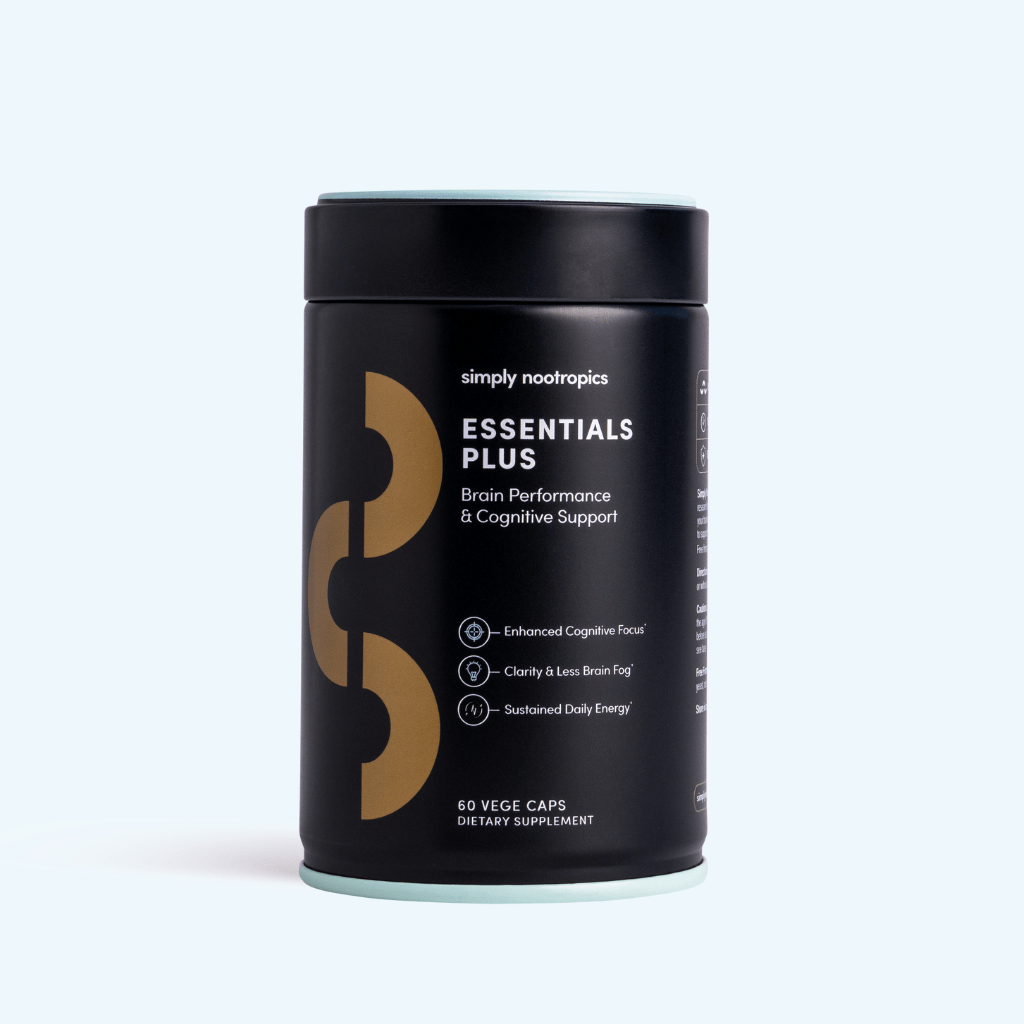
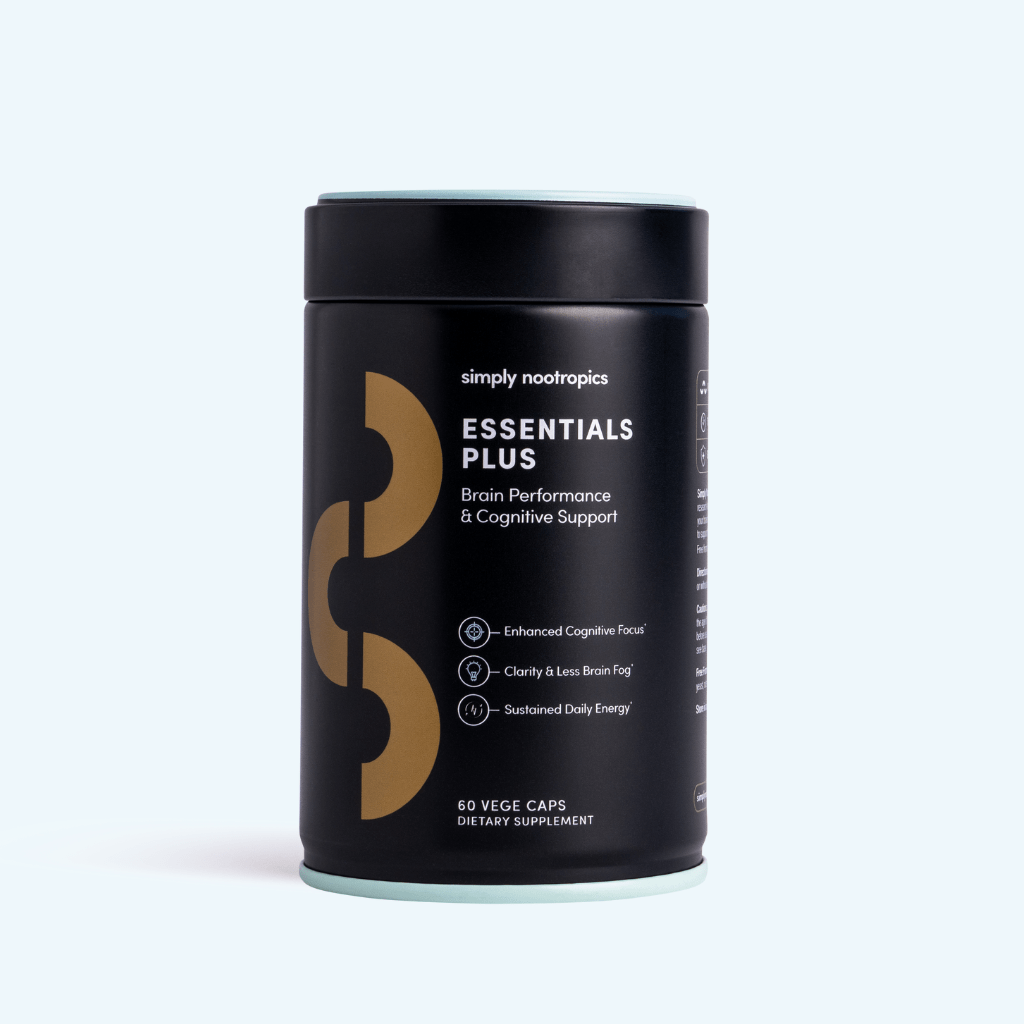
Essentials Plus
A hopeful, forward-looking mind is far easier to sustain when your head feels clear rather than foggy and frayed. Mental sharpness and outlook feed each other, and both deserve daily support.
Essentials Plus brings together eight nootropics in one simple daily dose, formulated to support focus, mental clarity, and everyday cognitive performance. No supplement can hand you optimism. What it can do is help you feel switched on and present, so you have the headspace to engage with your day rather than just get through it.
Made in New Zealand and third-party tested, it folds into your morning in seconds. If you want to give your mind steady, foundational support for the long game, Essentials Plus is an easy place to begin.