





Walking is free, it needs no equipment, and almost anyone can start today. The research behind it is strong. So can a daily walk cover everything your body needs as you get older?
Here is what the evidence says.
Walking Lowers the Risk of Early Death
The link between daily steps and a longer life is one of the most consistent findings in exercise research. A 2022 analysis of 15 studies and more than 47,000 adults found that people in the most active group had a 53% lower risk of early death than people in the least active group.
The benefit levelled off at a certain point. For adults aged 60 and over, the gains stopped growing at around 6,000 to 8,000 steps a day. For adults under 60, they stopped at around 8,000 to 10,000.
A larger 2025 review of 57 studies supported this. Compared with 2,000 steps a day, 7,000 steps a day was linked to a 47% lower risk of early death, which was almost the same as 10,000 steps. The researchers also found clear improvements in heart health at 7,000 steps.
That means the famous 10,000-step goal is not a requirement. Moving from very few steps to 5,000 or 7,000 brings most of the benefit.
Walking Pace Matters
How fast you walk appears to matter as much as how far. Researchers at the University of Leicester studied more than 400,000 adults in the UK Biobank. They found that people who walked at a brisk pace had longer telomeres, which are the protective caps on the ends of chromosomes that shorten with age. This link held even after the researchers accounted for how much activity people did overall.
The team estimated that a lifetime of brisk walking could equal a biological age 16 years younger by midlife. The study relied partly on self-reported walking pace, so the researchers have called for more work. The practical message is to pick up the pace when you can.
Walking Supports the Brain
Walking also affects the brain. In a year-long trial of 120 older adults, one group walked around a track for 40 minutes, three days a week, while the other group did stretching.
The hippocampus is the part of the brain that handles memory, and it grew by about 2% in the walking group. In the stretching group it shrank by about 1.4%, which is the usual rate of loss with age.
The walkers also improved more on a spatial memory test. This is one of the clearest pieces of evidence that regular aerobic exercise supports memory in later life.
What Walking Does Not Cover
Walking does a lot for your heart, lungs and brain. It does much less for muscle strength and balance, and both matter more with every decade.
The World Health Organization’s physical activity guidelines make this clear. They recommend that adults:
-
Aim for 150 to 300 minutes of moderate activity each week, which brisk walking covers.
-
Add muscle-strengthening activities on two or more days each week.
-
Include activities that combine balance, coordination and strength on three or more days each week once they reach 65, to help prevent falls.
Walking alone meets the first recommendation. The other two need something extra.
Strength Training Adds Its Own Benefits
Muscle-strengthening exercise is linked to a longer life in its own right, separate from aerobic exercise. A 2022 review of 16 studies in the British Journal of Sports Medicine found that 30 to 60 minutes of muscle-strengthening activity a week was linked to a 10% to 20% lower risk of early death and heart disease.
You do not need a gym for this. Strength work can include:
-
Squat down to a chair and stand back up, ten times in a row.
-
Do push-ups against a wall or kitchen bench.
-
Carry your shopping bags home instead of using a trolley.
-
Use resistance bands or light dumbbells at home.
-
Walk up stairs or hills so your legs work harder than they do on flat ground.
Balance Needs Practice
Balance is a skill, and it declines when you stop using it. The WHO guidelines include balance training for adults over 65 specifically to help prevent falls.
Simple balance practice fits easily into the day:
-
Stand on one leg while you brush your teeth.
-
Walk heel to toe along a hallway.
-
Try tai chi or yoga, which combine balance, strength and coordination.
How to Build a Week Around Walking
Walking makes a strong base for a healthy ageing routine. Here is one way to build on it:
-
Walk most days, and aim for 7,000 steps or more.
-
Walk briskly for at least part of each walk, fast enough that talking takes some effort.
-
Add two short strength sessions a week using body weight or bands.
-
Practise balance for a few minutes on most days.
-
Choose hilly routes or stairs when you can, so your legs work harder.
So, Is Walking Enough?
Walking covers more than most people expect. It lowers the risk of early death, supports heart health, and helps protect the part of the brain that handles memory. On its own, it does not build the strength and balance your body needs to stay independent as you age. Keep walking, walk a little faster, and add strength and balance work two or three times a week.
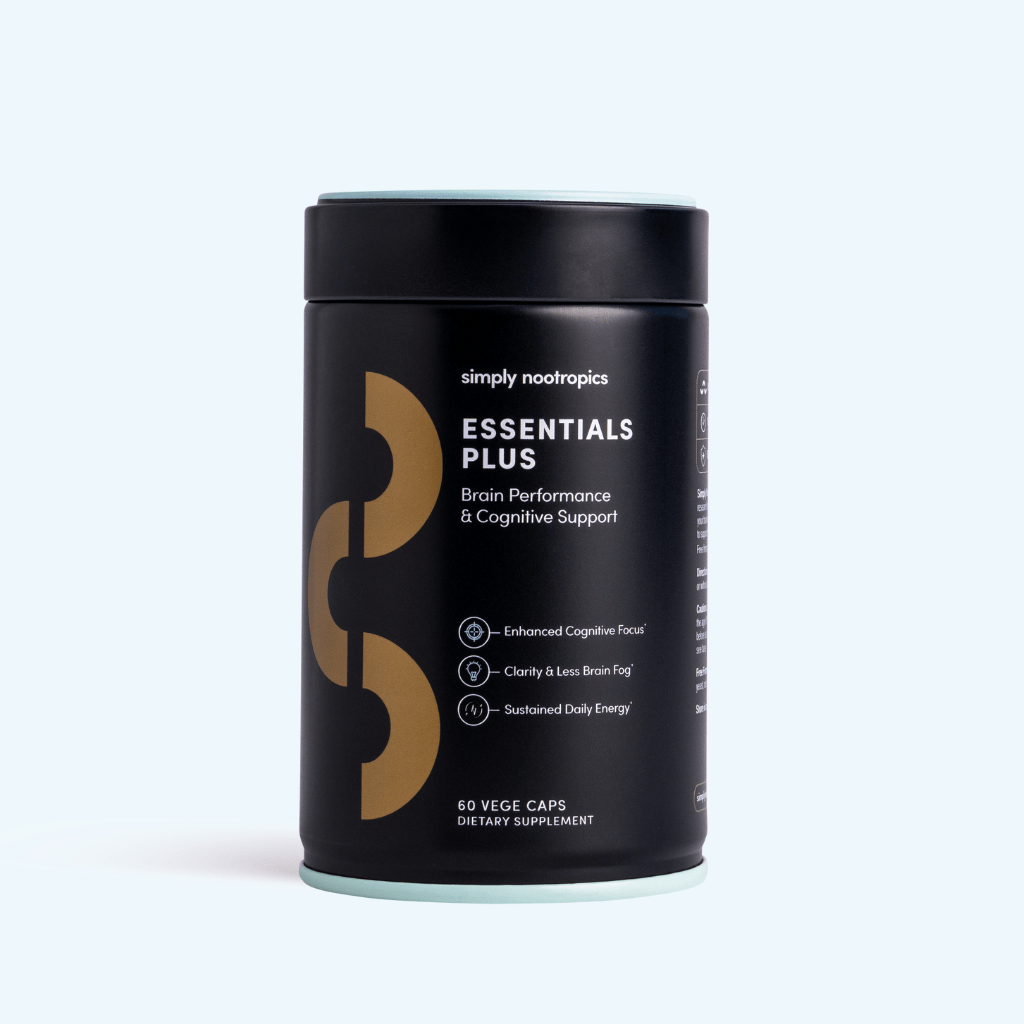
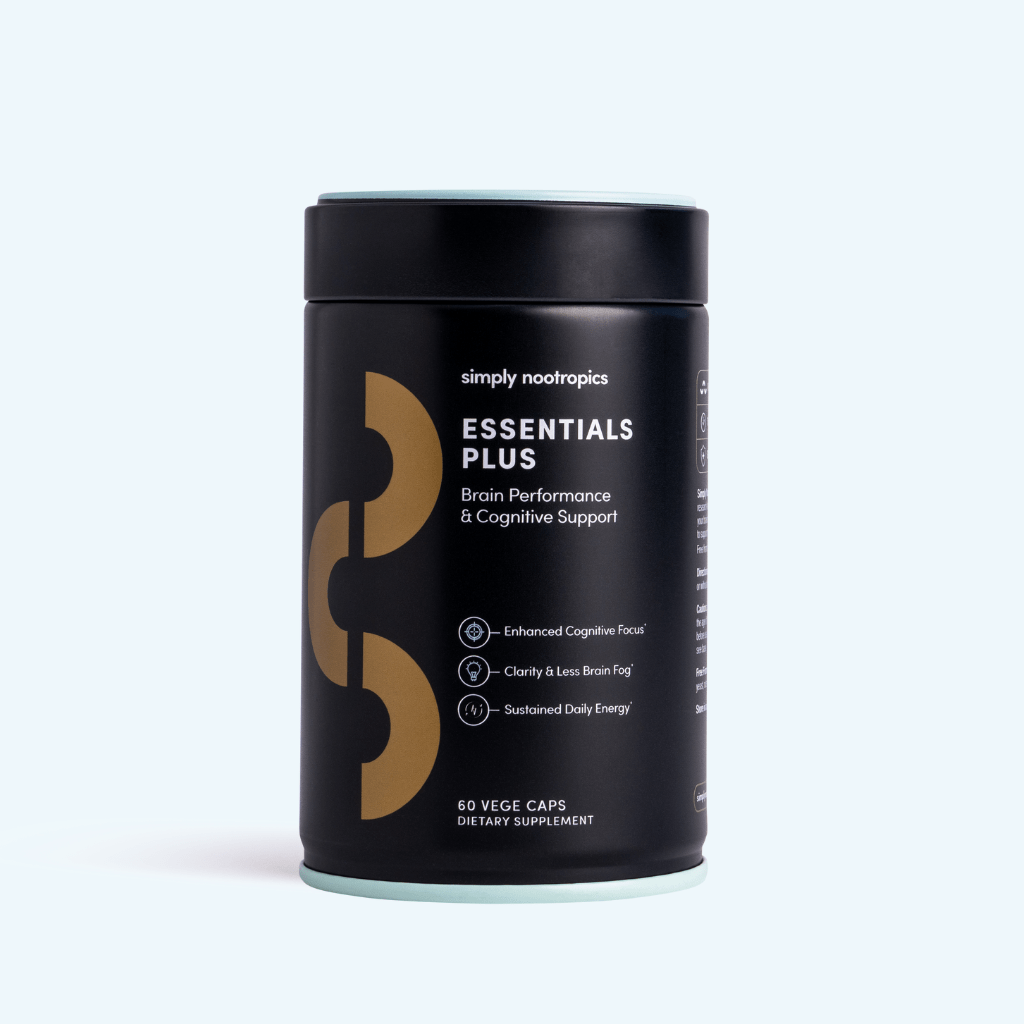
Essentials Plus
Your daily walk supports your memory, and what you give your brain each morning matters too.
Essentials Plus combines eight nootropics in one daily dose to support focus, memory and mental clarity, with no stimulants. Take it with breakfast, then head out for your walk, and you have two habits that support your brain every day.