

For years, longevity conversations have revolved around a familiar idea: if we could just identify the right compound, we could slow ageing, boost resilience, and optimise health with a single intervention.
Resveratrol. Collagen. Curcumin. NAD+ precursors. Each new ingredient has had its moment in the spotlight.
But longevity science is moving away from that model. Not because those ingredients “don’t work,” but because ageing itself isn’t driven by one pathway, and biology rarely responds to isolated inputs in isolation.
Why the “magic ingredient” mindset made sense
Early nutrition and ageing research naturally leaned toward reductionism. Studying one compound at a time makes experiments cleaner, outcomes easier to measure, and mechanisms easier to explain. This approach delivered valuable insights:
-
Certain nutrients influence cellular energy pathways
-
Some compounds interact with inflammation or oxidative stress
-
Others support structural proteins or neurological signalling
But as the field matured, a pattern became harder to ignore: single interventions rarely produce durable, system-wide effects on their own.
Ageing isn’t one process. It’s many processes happening simultaneously.
Ageing is multi-system, not single-pathway
Modern longevity research increasingly describes ageing as an interaction between overlapping systems:
-
Cellular energy production
-
Stress response and recovery
-
Sleep and circadian regulation
-
Structural integrity (connective tissue, muscle, skin)
-
Cognitive load and neurological resilience
These systems don’t operate independently. They influence one another constantly. Improving one pathway while neglecting the others may create short-term improvements, but it rarely leads to long-term resilience. This is why scientists are shifting their focus from ingredients to systems.
The shift toward systems thinking in longevity
In recent years, researchers have started asking different questions. Instead of “What does this compound do?”, the focus has expanded to:
-
How do multiple pathways interact over time?
-
What supports resilience rather than short-term optimisation?
-
Which interventions are sustainable at a daily level?
This shift mirrors broader trends in physiology and behavioural science. Health outcomes are increasingly understood as emergent properties of systems, not the result of isolated inputs.
Longevity, in this framing, becomes less about pushing one lever and more about supporting balance across several domains consistently.
Why stacking single ingredients isn’t the same as systems support
In response to the “magic ingredient” fatigue, many people attempt to stack multiple supplements. But stacking without intention often recreates the same problem in a different form.
Random stacks:
-
Increase cognitive load (“What do I take today?”)
-
Reduce consistency
-
Often overlap unnecessarily
-
Create friction rather than simplicity
From a behavioural standpoint, complexity is the enemy of adherence. And without consistency, even well-researched ingredients fail to deliver meaningful benefits.
This is why formulation, not just ingredient choice, has become a focal point in longevity discussions.
Consistency is emerging as the real differentiator
One of the clearest insights to emerge from both longevity research and behavioural science is this: interventions only matter if they’re repeated.
Daily, moderate support across multiple systems tends to outperform sporadic, high-intensity interventions. This applies to movement, sleep, nutrition - and supplementation.
The longevity field is increasingly recognising that:
-
Small inputs, repeated consistently, compound
-
Supporting multiple pathways lightly is often more sustainable than pushing one aggressively
-
Behavioural adherence is as important as biochemical potential
This is a meaningful reframing. It shifts the question from “What’s the strongest ingredient?” to “What can people realistically do every day?”
Sleep and recovery: the overlooked longevity pillar
Another reason the “one ingredient” model is breaking down is renewed attention on sleep.
Sleep affects nearly every longevity-relevant system:
-
Hormonal regulation
-
Cellular repair processes
-
Cognitive resilience
-
Stress recovery
No compound can compensate for chronically poor sleep. And increasingly, researchers are recognising that supporting recovery may be just as important as supporting performance.
This has led to a more balanced view of longevity, one that values rhythm, recovery, and regulation alongside energy and output.
The future of longevity
If longevity science is moving away from silver bullets, where is it going?
Toward:
-
Foundational support rather than extremes
-
Daily routines rather than periodic resets
-
Systems that reduce friction instead of adding complexity
This doesn’t make for flashy headlines. But it aligns far more closely with how biology actually works.
Longevity isn’t built on moments of optimisation. It’s built on environments and routines that support the body day after day.
What this means for everyday decisions
For people interested in longevity, this shift has practical implications:
-
Chasing trends matters less than maintaining basics
-
Consistency beats novelty
-
Supporting multiple systems lightly may be more effective than targeting one aggressively
It also reframes expectations. Longevity support isn’t about feeling something immediately. It’s about creating conditions that allow the body to function well over time.
Longevity science hasn’t abandoned ingredients. It has outgrown the idea that any single one can do the work alone.
The better question now isn’t:
-
What’s the one thing I should take?
It’s:
-
What supports my system, consistently, without adding friction?
That shift may be less exciting, but it’s far more promising.
Where this thinking shows up in practice
This systems-first approach is why many longevity routines now focus on foundational daytime support paired with intentional night-time recovery, rather than relying on one “hero” compound.
Products designed for daily consistency and evening wind-down reflect this evolution, supporting different parts of the 24-hour cycle instead of forcing one ingredient to do everything.
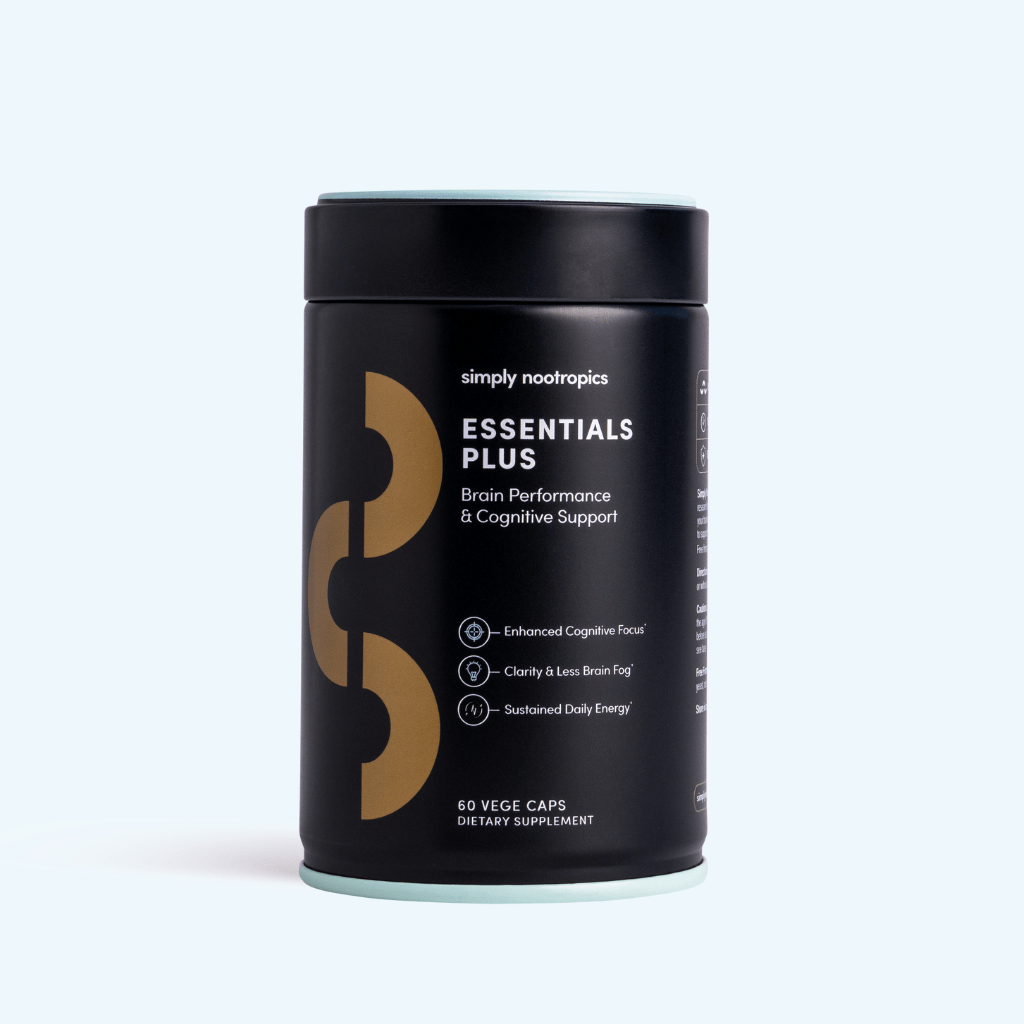
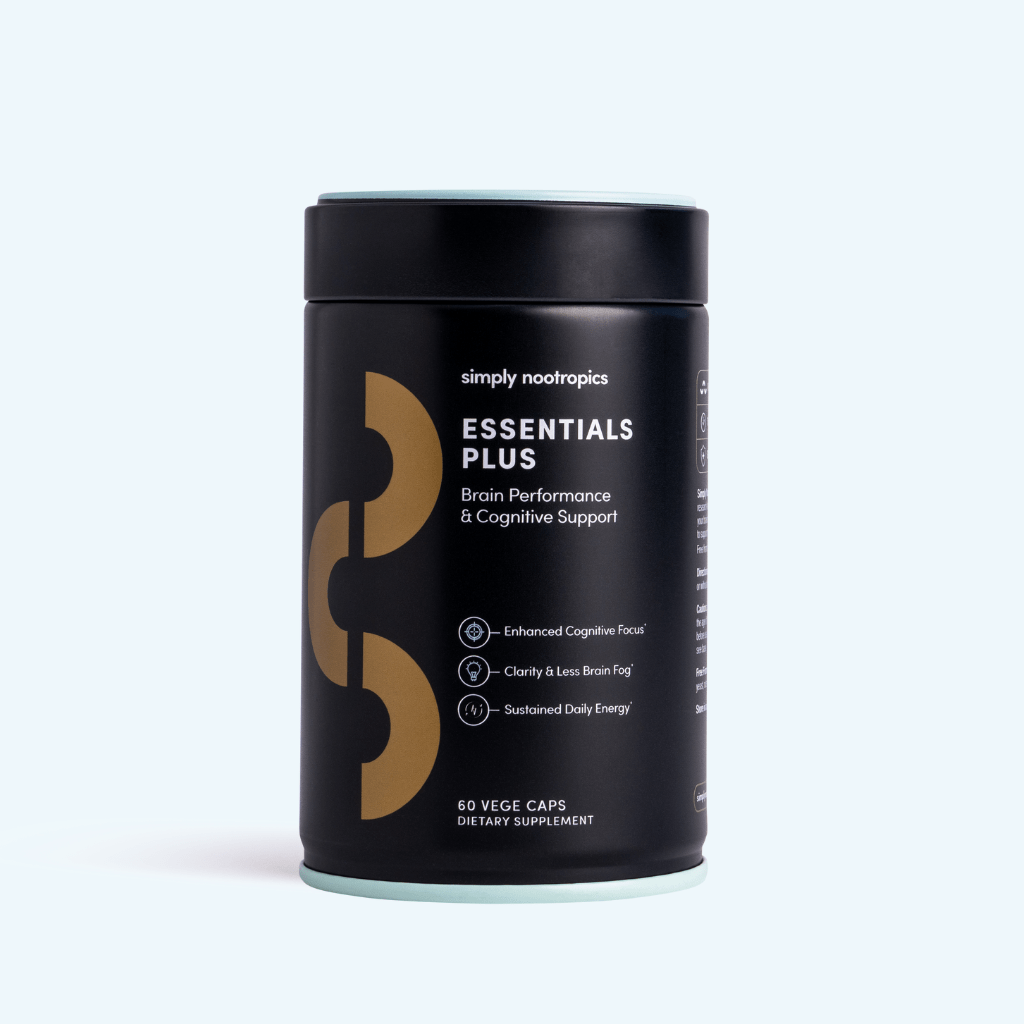
Essentials Plus is built around the idea of simple, repeatable daily support, something you can take consistently to help support focus, mental clarity, and everyday cognitive demands without relying on stimulants or extremes.
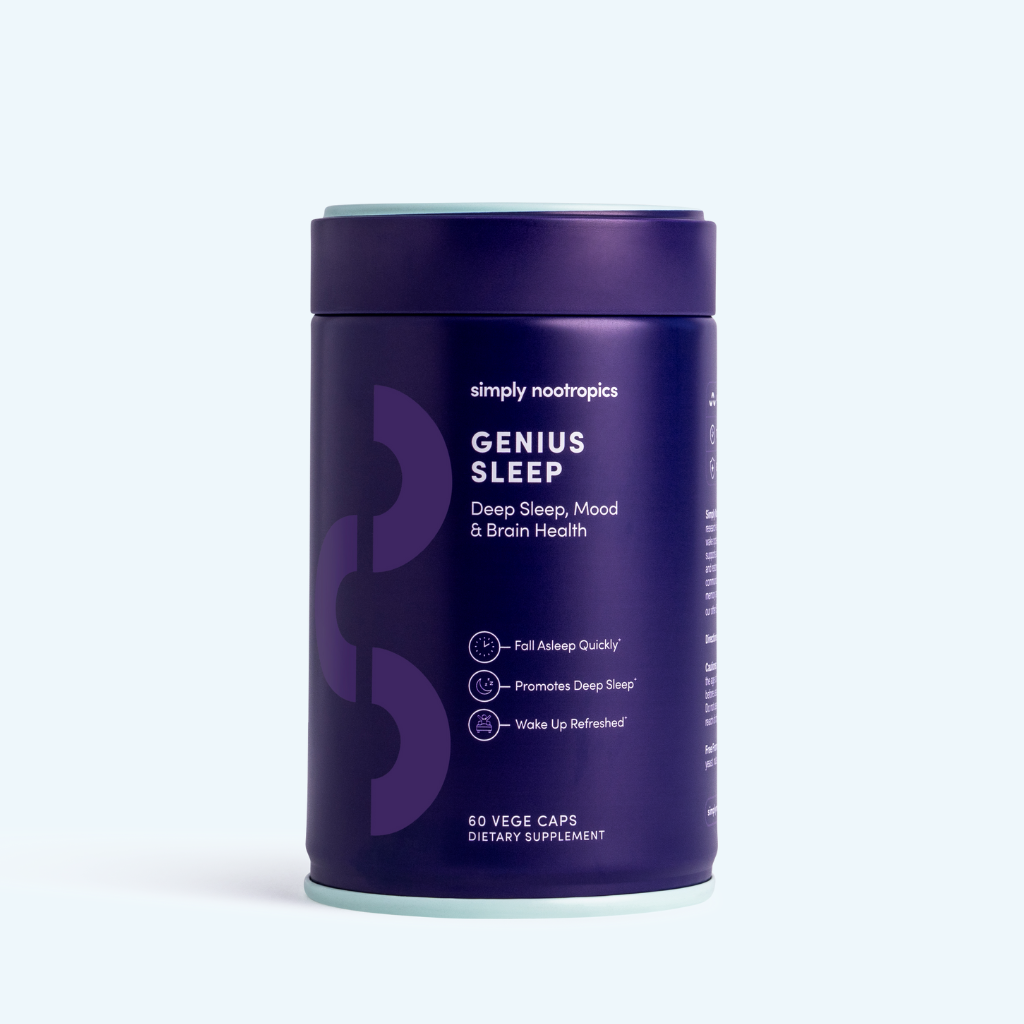
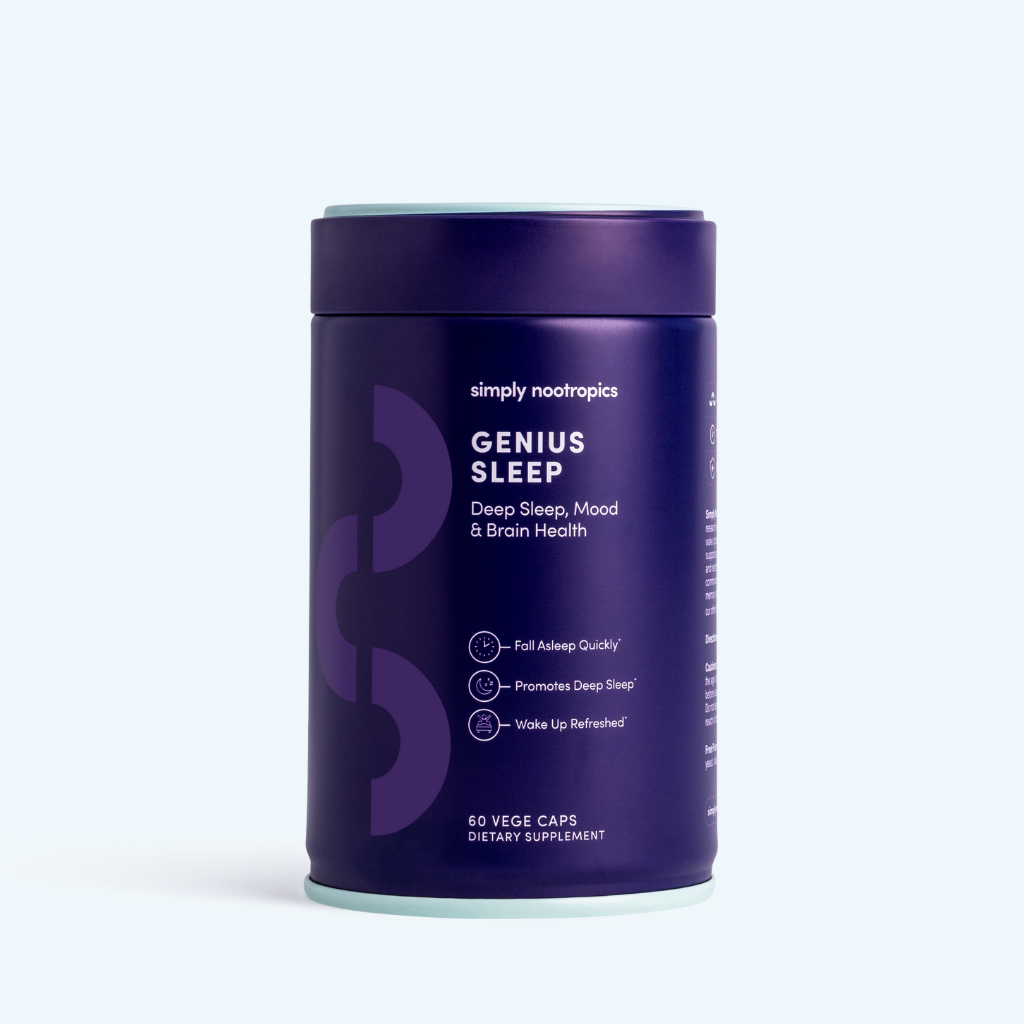
Genius Sleep, on the other hand, focuses on the other half of longevity that’s often overlooked: quality sleep and recovery. Its formula brings together ingredients traditionally used to support relaxation, circadian rhythm, and overnight recovery, including reishi mushroom extract, L-theanine, L-tryptophan, magnesium bisglycinate, tart cherry extract, passionflower extract, and zinc gluconate.
Taken together, this kind of approach reflects where longevity science is heading: supporting multiple systems, at appropriate times, in ways people can actually sustain.