

If you've seen "vegan collagen" on shelves lately, you might be wondering: is that even possible? Here's the straightforward answer: true collagen only comes from animal sources. There's no such thing as plant-based collagen, at least not in the way most people think.
But that doesn't mean vegans are out of options. Let's break down what's actually going on with vegan collagen products, what they do (and don't do), and how to support collagen production without animal-derived supplements.
What Is Collagen, Really?
Collagen is a protein made up of specific amino acids, primarily glycine, proline, and hydroxyproline. Your body produces it naturally, and it's the most abundant protein in your body, making up roughly 30% of your total protein content.
It's everywhere: your skin, bones, tendons, ligaments, cartilage, blood vessels, and even your gut lining. Collagen is what gives your skin elasticity, your joints cushioning, and your connective tissue strength.
The catch? Collagen is only found in animals. It's a structural protein unique to the animal kingdom. Plants don't produce collagen. They have their own structural proteins like cellulose, but collagen isn't one of them.
So when you see "vegan collagen" marketed on supplement bottles, it's not collagen at all. At least not in the traditional sense.
What Are "Vegan Collagen" Products Actually Selling?
Most vegan collagen products fall into one of two categories, and understanding the difference matters if you're trying to make an informed choice.
1. Collagen Boosters (or "Collagen Builders")
These supplements contain plant-based ingredients designed to support your body's own collagen production. They don't provide collagen directly: instead, they provide the building blocks and cofactors your body needs to synthesise collagen itself.
Common ingredients in collagen boosters include:
-
Vitamin C (essential for collagen synthesis - your body literally can't make collagen without it)
-
Amino acids like glycine and proline (sourced from plants or fermented sources)
-
Silica (from bamboo extract or horsetail)
-
Antioxidants like vitamin E, resveratrol, or polyphenols from berries
-
Hyaluronic acid (supports skin hydration and complements collagen)
Do they work? They can support collagen production if your body has the right raw materials and is functioning optimally. But they're not delivering pre-formed collagen peptides like animal-based supplements do. Your body still has to do the heavy lifting.
2. Lab-Grown or Bioengineered Collagen
This is newer, more experimental territory. Some biotech companies are developing genetically engineered collagen using yeast or bacteria that's been programmed to produce collagen proteins identical to those found in animals.
Technically, this isn't animal-derived, so it could be considered vegan. The science is promising, and early research suggests bioengineered collagen could be just as effective as animal-derived collagen. But these products are still emerging, aren't widely available yet, and tend to be expensive.
If this technology scales, it could be a legitimate vegan alternative. For now, it's not a mainstream option.
Can You Boost Collagen Production on a Vegan Diet?
Yes, but it requires strategy and consistency. Your body is fully capable of synthesising collagen on its own. In fact, it's been doing it since you were born. The question is whether you're giving it the tools it needs to keep doing it effectively, especially as you age and natural collagen production declines.
Here's what your body needs to produce collagen:
Amino Acids (The Building Blocks)
Collagen is made from three primary amino acids: glycine, proline, and hydroxyproline. Your body can produce some of these, but you need to get adequate amounts from your diet.
Vegan sources include:
-
Glycine: soy products, pumpkin seeds, peanuts, sunflower seeds
-
Proline: cabbage, asparagus, mushrooms, peanuts, chickpeas
-
Lysine (supports collagen cross-linking): legumes, quinoa, pistachios, lentils
The challenge? These amino acids are less concentrated in plant foods compared to animal-derived collagen. You need to eat a varied, protein-rich diet consistently.
Vitamin C (The Catalyst)
This is non-negotiable. Without adequate vitamin C, your body cannot synthesise collagen. Period.
Vitamin C acts as a cofactor in the enzymatic reactions that stabilise collagen molecules. Low vitamin C levels lead to defective collagen production, which is why scurvy (severe vitamin C deficiency) causes connective tissue breakdown.
Load up on citrus fruits, bell peppers, kiwi, strawberries, broccoli, Brussels sprouts, and tomatoes. Aim for at least 90mg daily, though some research suggests higher amounts (200mg+) may offer additional skin and collagen benefits.
Other Key Nutrients
-
Zinc (pumpkin seeds, chickpeas, lentils, cashews): Required for collagen synthesis and wound healing
-
Copper (cashews, sesame seeds, dark chocolate, mushrooms): Helps activate enzymes that cross-link collagen fibers
-
Silica (oats, brown rice, leafy greens, cucumbers): Supports collagen formation and connective tissue strength
-
Sulfur (garlic, onions, cruciferous vegetables): Helps form disulfide bonds that stabilise collagen structure
Antioxidants
Free radicals from UV exposure, pollution, stress, and poor diet break down existing collagen faster than your body can replace it. Antioxidant-rich foods help protect the collagen you've already got.
Focus on berries, green tea, dark leafy greens, turmeric, and deeply pigmented vegetables.
Why Collagen Type Matters
One thing vegan collagen boosters can't replicate is the variety of collagen types found in animal-based supplements.
There are 28 types of collagen in the human body, but the most important are:
-
Type I: Skin, bones, tendons, organs (90% of your body's collagen)
-
Type II: Cartilage and joint support
-
Type III: Skin elasticity, blood vessels, organ structure
Most animal-based collagen supplements, especially high-quality ones, provide multiple collagen types, giving your body a broader spectrum of support.
Vegan collagen boosters support your body's general collagen production, but they don't target specific types. Your body will synthesise what it needs most, but you're not getting the targeted support that comes from ingesting Types I, II, and III directly.
This matters if you're dealing with joint issues, skin ageing, or gut health concerns - all areas where specific collagen types play a role.
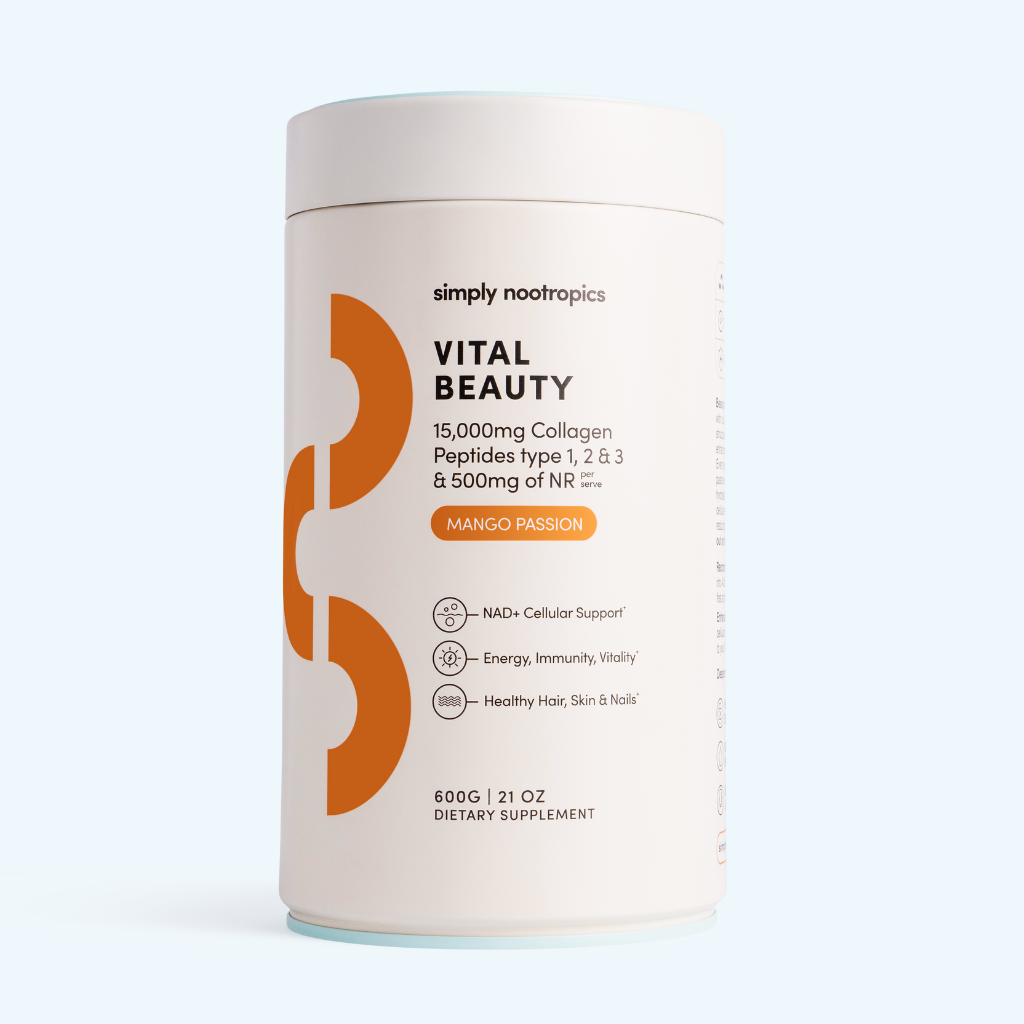
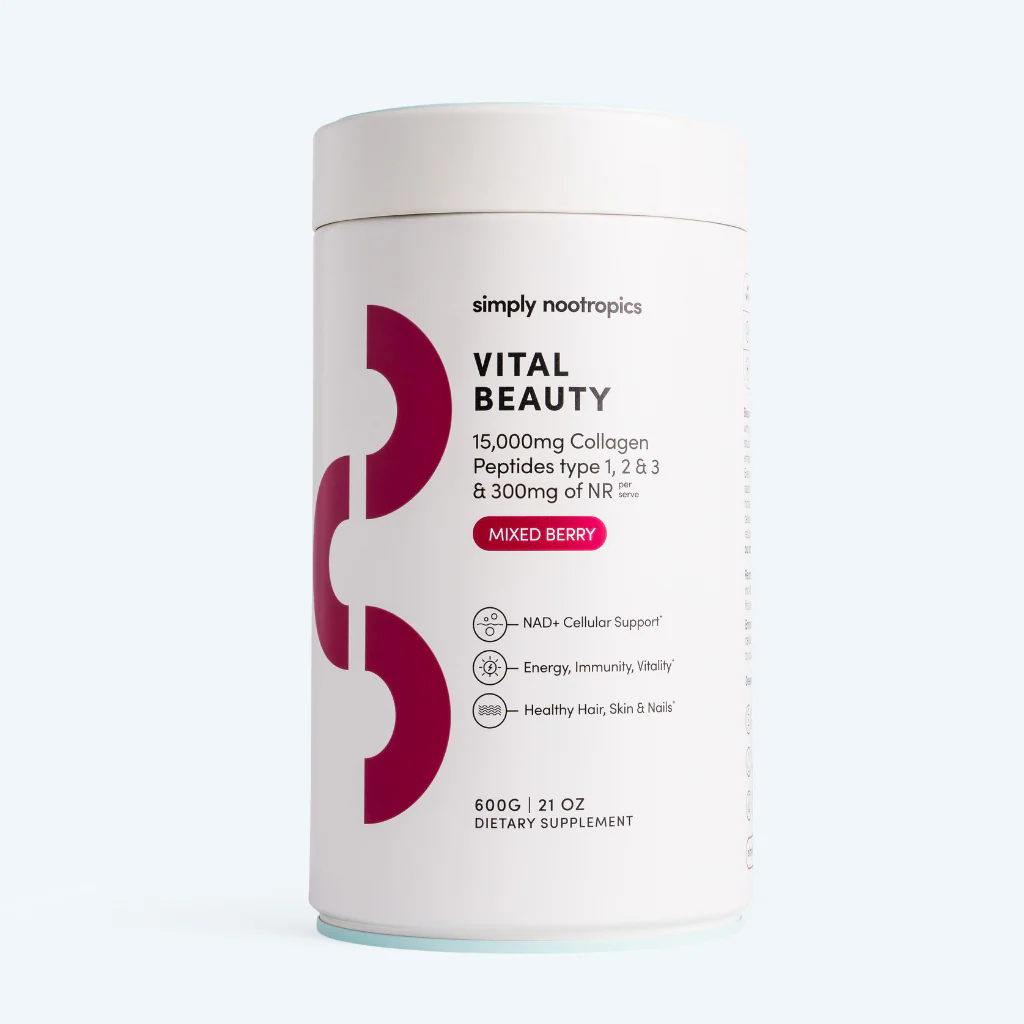
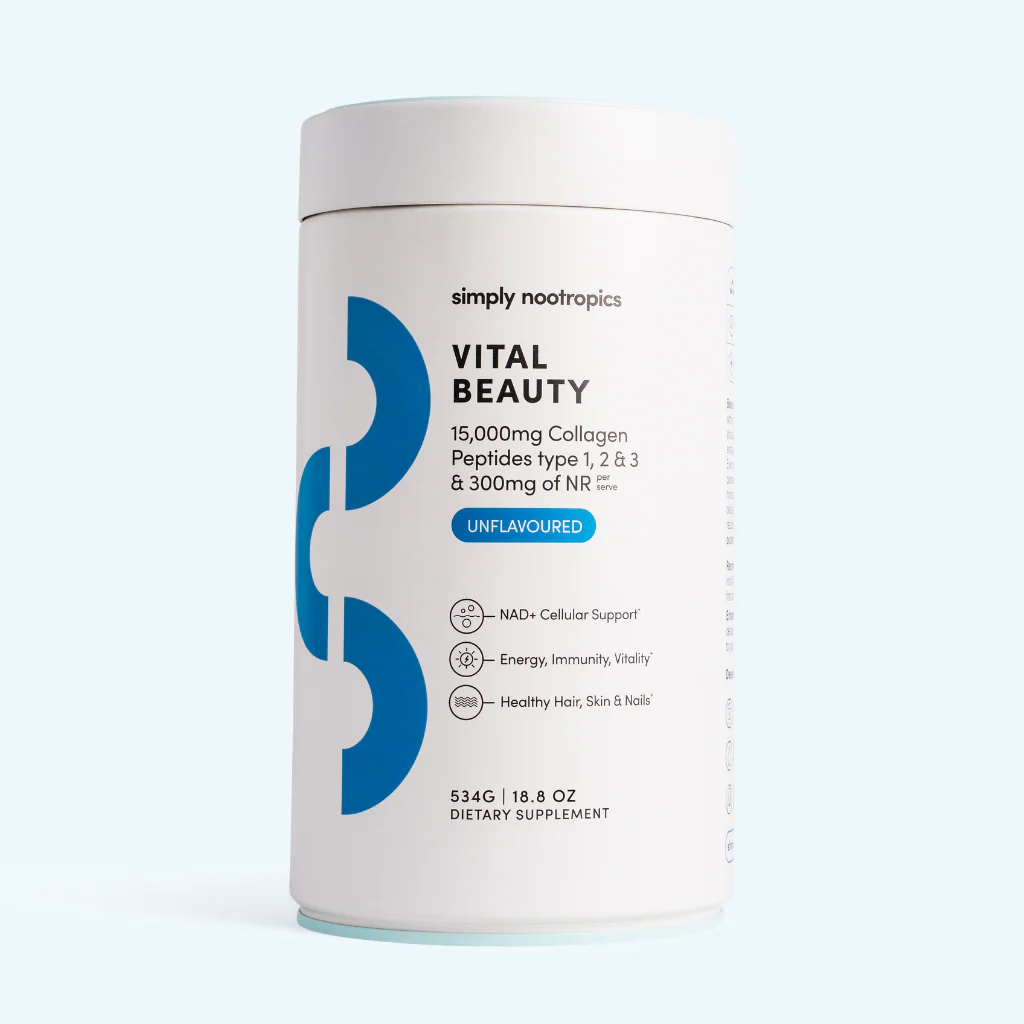
If you're open to animal-based collagen, Vital Beauty Collagen delivers all three essential collagen types (I, II, and III) from high-quality bovine sources.
This means you're getting targeted support for:
-
Skin elasticity and hydration (Type I)
-
Joint health and cartilage support (Type II)
-
Blood vessel integrity and organ structure (Type III)
One scoop of Vital Beauty gives your body bioavailable collagen peptides that are easily absorbed and put to work immediately. No waiting for your body to synthesise what it needs. Just direct, effective collagen support.