When you think about longevity research, whose names come to mind?
If you're picturing a lab coat-wearing scientist, chances are you're picturing a man. That's not because women aren't doing groundbreaking work in ageing research, they absolutely are. It's because their contributions are consistently overlooked, underreported, and undervalued.
The truth is, some of the most significant breakthroughs in understanding how we age, why we age, and what we can do about it have come from women scientists who rarely get the recognition they deserve.
So let's change that. Here are some of the women whose work is shaping everything we know about longevity, and why you should know their names.
Dr. Cynthia Kenyon: The Scientist Who Made Worms Live Twice as Long
Dr. Cynthia Kenyon's work fundamentally changed how we think about ageing. In the 1990s, while working at the University of California, San Francisco, she discovered that a single gene mutation could double the lifespan of C. elegans worms, and keep them healthy for longer.
This wasn't just about living longer. It was about living better. The worms stayed active, healthy, and youthful for far longer than their normal lifespan would suggest.
Her research helped establish that ageing isn't inevitable, it's regulated by genes that can be influenced. This opened the door to understanding pathways like insulin signaling and how they affect lifespan across species, including humans.
Kenyon's work laid the groundwork for much of modern longevity science, yet she's rarely mentioned outside academic circles. Her research also influences the supplements, interventions, and lifestyle strategies we discuss today.
Dr. Elizabeth Blackburn: The Nobel Prize Winner Who Discovered Telomerase
Dr. Elizabeth Blackburn won the Nobel Prize in Physiology or Medicine in 2009 for discovering telomerase, the enzyme that maintains telomeres - the protective caps on the ends of chromosomes.
Telomeres shorten as we age, and when they get too short, cells stop dividing and enter senescence (a state associated with ageing and disease). Blackburn's discovery of telomerase showed that this process isn't entirely fixed, it can be influenced.
Her work revealed that lifestyle factors like stress, diet, exercise, and sleep directly impact telomere length. Chronic stress shortens telomeres. Meditation and exercise can help maintain them. This research bridged molecular biology and real-world behavior in ways that continue to shape how we approach healthy aging.
Blackburn's findings are foundational to understanding cellular ageing, yet her name doesn't come up nearly as often as it should when people talk about longevity.
Dr. Sofiya Milman: Collaborating with Dr. Nir Barzilai
Dr. Sofiya Milman works alongside Dr. Nir Barzilai at the Albert Einstein College of Medicine, where they study centenarians (people who live past 100) and their genetics. While Barzilai often gets the spotlight, Milman's contributions to understanding the biological mechanisms of exceptional longevity are just as significant.
Her research focuses on growth hormone pathways and genetic variants associated with reduced risks of some age-related diseases. She's helping us understand why some people age slowly and stay healthy into their 100s, and what the rest of us can learn from them.
While the centenarian research program is often publicly associated with Barzilai, Milman’s contributions to this field are substantial and central to its scientific progress.
Dr. Judith Campisi: The Pioneer of Cellular Senescence Research
Dr. Judith Campisi spent decades researching cellular senescence, the state where cells stop dividing but don't die. These "zombie cells" accumulate with age and contribute to inflammation, tissue dysfunction, and age-related diseases.
Her work helped establish that senescent cells aren't just passive bystanders, they actively secrete inflammatory molecules that damage surrounding tissues. This discovery led to the development of senolytics, a class of drugs designed to clear senescent cells and potentially slow aging.
Campisi's research is at the heart of some of the most exciting interventions being explored in longevity science today. Yet outside of scientific circles, her name is rarely mentioned.
Dr. Laura Niedernhofer: Advancing DNA Repair and Ageing
Dr. Laura Niedernhofer's research focuses on DNA damage and repair, key processes in ageing. As we age, our cells accumulate DNA damage, and our ability to repair that damage declines. This contributes to cellular dysfunction and many age-related diseases.
Niedernhofer's work has shown that boosting DNA repair mechanisms can extend lifespan and healthspan in animal models. Her research has also explored the relationship between NAD+ metabolism and DNA repair pathways, particularly how NAD+-dependent enzymes contribute to maintaining genomic stability.
Her contributions are foundational to understanding why cellular damage accelerates ageing and what we can do to slow it down.
Dr. Ana Maria Cuervo: The Expert on Autophagy and Ageing
Dr. Ana Maria Cuervo is a leading researcher in autophagy, the process by which cells clean out damaged components and recycle them. This cellular "housekeeping" declines with age, leading to the buildup of dysfunctional proteins and organelles that contribute to aging and disease.
Cuervo's work has shown that restoring autophagy can improve cellular function and extend lifespan in animal models. Her research is directly relevant to interventions like fasting, caloric restriction, and compounds that promote autophagy.
She's been at the forefront of this field for decades, yet her name rarely comes up in mainstream conversations about longevity.
Why This Matters
These women have shaped the foundation of longevity science. Their research informs the supplements we take, the lifestyle choices we make, and the future interventions being developed to extend healthspan.
Yet their names are often missing from the conversation. When we talk about longevity science, we default to the same handful of names, and most of them men. Not because women aren't doing the work, but because their contributions are systematically undervalued and under-recognised.
Recognising their work isn't just about fairness. It's about accuracy. If we want to understand longevity science, we need to acknowledge who's actually advancing it.
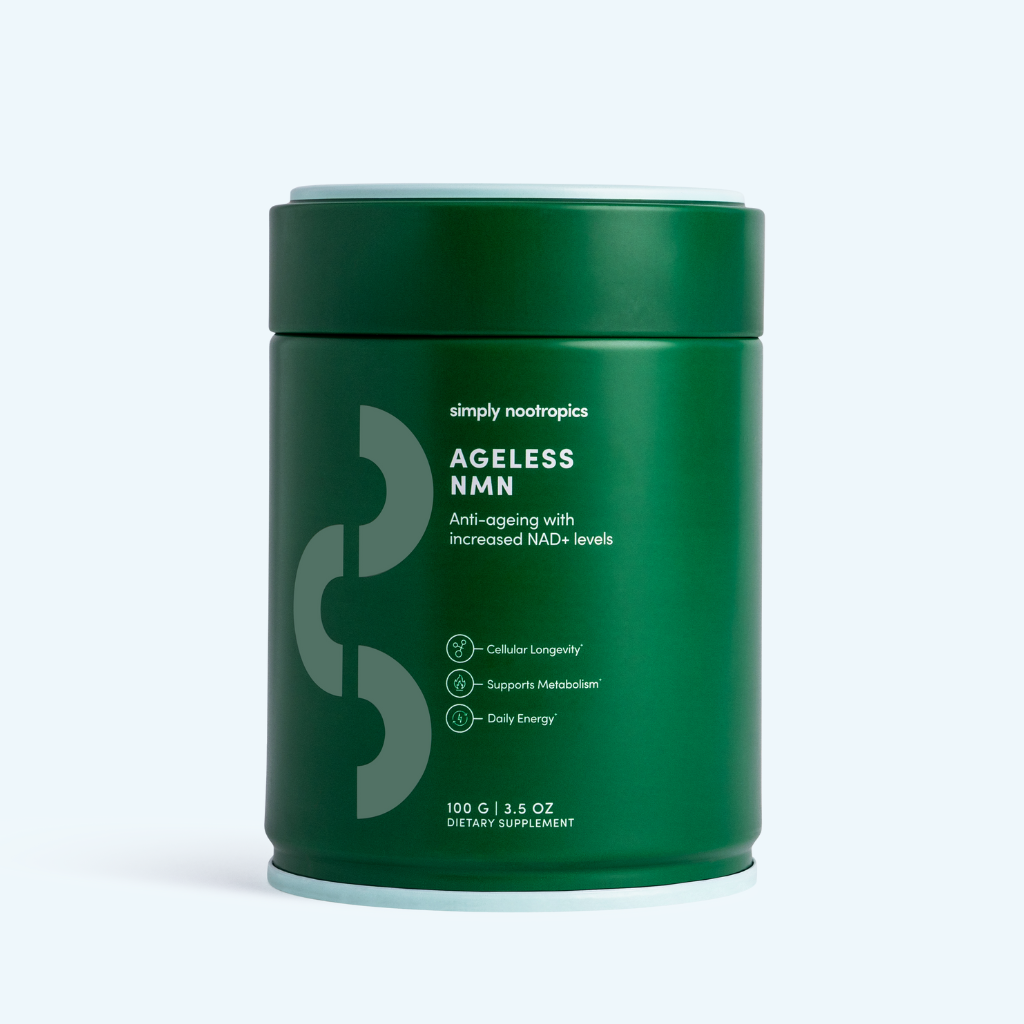
Ageless NMN
The next time you read about NAD+ science, telomeres, cellular senescence, or autophagy, remember that much of that knowledge exists because of the women who dedicated their careers to understanding ageing at the most fundamental level.
Across longevity research, one molecule appears again and again: NAD+. It plays a central role in cellular energy production, mitochondrial function, and the activity of enzymes involved in DNA maintenance and metabolic regulation. As we age, NAD+ levels naturally decline, which is why researchers have been investigating ways to support its availability.
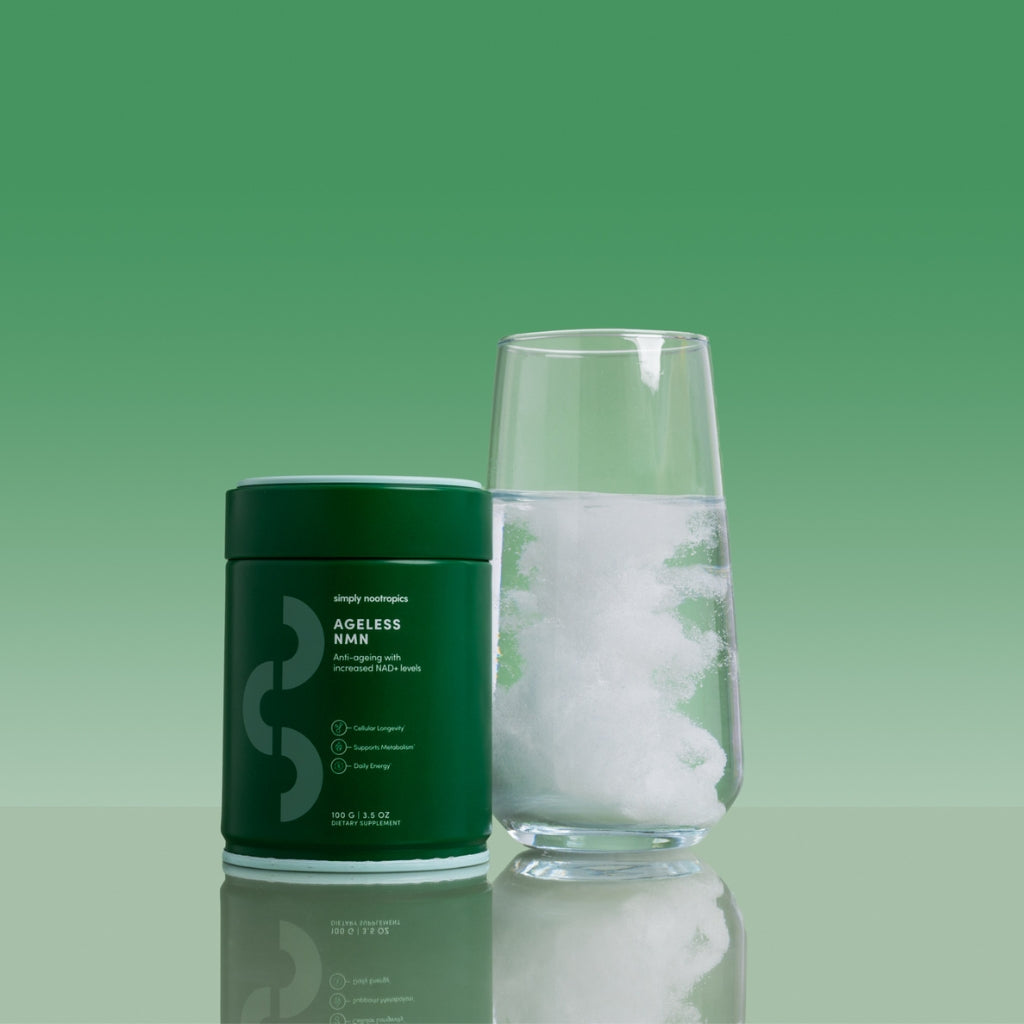
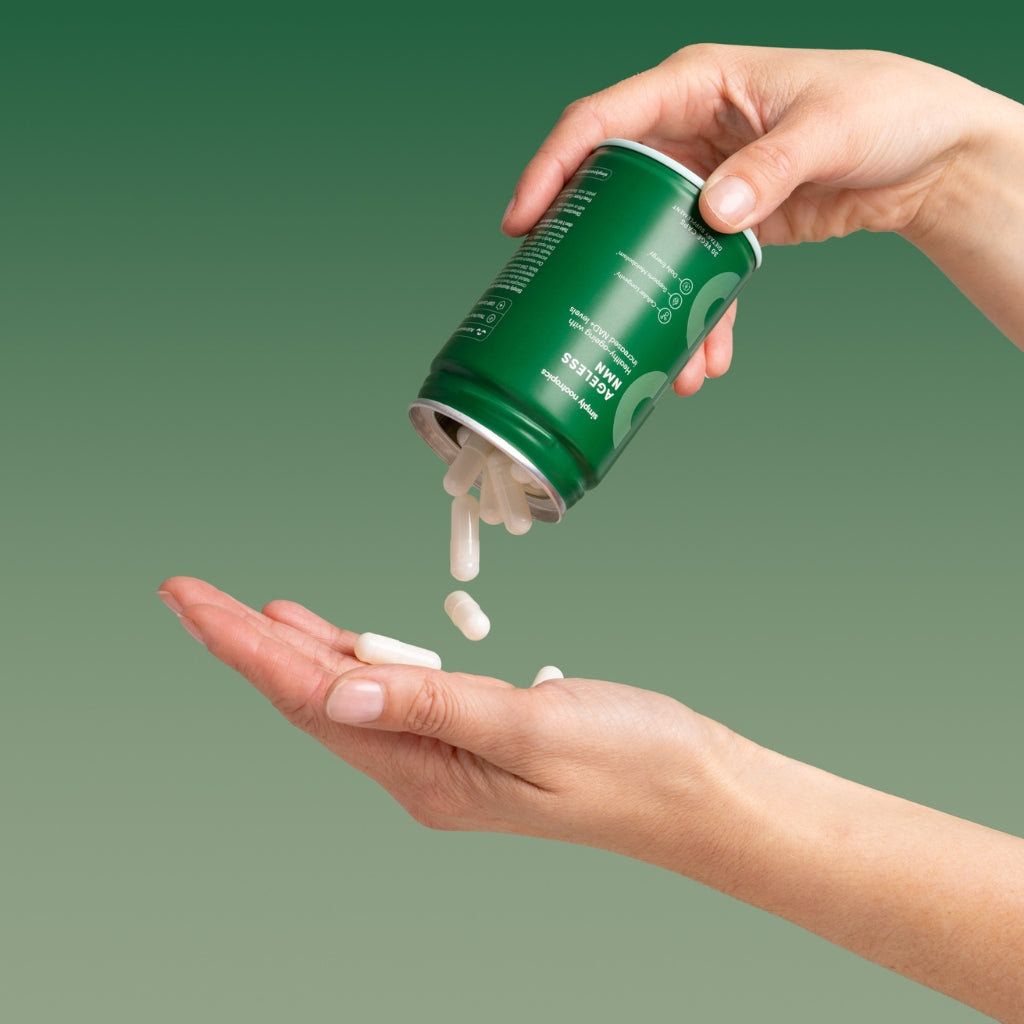
Ageless NMN was formulated with that research in mind. The formula is designed to be clean, consistent, and easy to integrate into a daily routine, because longevity isn’t about intensity. It’s about sustainability.
The formula is designed to be simple and sustainable: easy to mix, easy to take daily, and easy to stick with long term. Because longevity isn’t about intensity or extremes. It’s about building habits you can maintain, and supporting your cellular foundation consistently over time.