



Think about the smell of fresh coffee, cut grass or your grandmother's kitchen. Smell does more work than most of us give it credit for. It shapes how food tastes, warns you about danger and pulls memories out of nowhere. It also changes as you get older, often so gradually that you don't notice it happening.
Here's how your sense of smell works, what happens to it with age, and the simple habits that help you look after it.
How Your Sense of Smell Works
When you breathe in, odour molecules travel to a small patch of tissue high inside your nose called the olfactory epithelium. It holds millions of specialised nerve cells, and each one carries receptors that respond to particular scents. Those cells send signals straight to the olfactory bulb, which sits at the front of the brain.
From there, smell takes a shortcut that no other sense gets. Signals travel directly to brain areas involved in emotion and memory, including the amygdala and the hippocampus. That's why a single scent can transport you back decades in a second.
Your smell cells also do something unusual. They regularly die off and get replaced, which makes them one of the few types of nerve cell that renew throughout adult life.
What Happens to Smell as You Age
That renewal process slows down over time. With age, the body replaces smell cells less efficiently, the olfactory bulb gets smaller, and the tissue in the nose becomes less sensitive. The result is a gradual decline that tends to speed up after 60.
The numbers are striking. A landmark study of nearly 2,000 people found that more than half of adults aged 65 to 80 had major difficulty identifying smells, and that figure rose above three quarters for people over 80. The same research found that women, on average, kept their sense of smell better than men at every age.
A later study of almost 2,500 older adults found that around one in four people aged 53 and over had some degree of smell loss. Among those aged 80 and over, the figure climbed to more than 60%.
Why Smell Loss Is So Easy to Miss
Here's the surprising part. In that second study, fewer than one in ten people reported a problem with their sense of smell, even though far more of them had one.
Smell loss rarely happens overnight. It happens slowly, so your brain adjusts and you stop noticing what's missing. Many people only realise something has changed when a partner mentions a smell they can't pick up, or when food starts tasting flat.
These signs are worth paying attention to:
-
You add more salt, sauce or seasoning to food than you used to.
-
Favourite foods taste blander than you remember.
-
You struggle to smell smoke, gas or food that has gone off.
-
You wear more perfume or aftershave than before without realising it.
-
Other people notice smells before you do.
Why Your Sense of Smell Matters
Smell affects far more of daily life than it seems. Most of what we think of as flavour actually comes from smell, so a weaker nose can make meals less enjoyable and change what and how much you eat.
It also keeps you safe. A study of people with smell problems found that nearly half had experienced at least one hazardous event, such as eating spoiled food or missing a gas leak or fire, compared with around one in five people with a normal sense of smell.
Then there's the emotional side. Because smell links so closely to memory and emotion, it plays a real role in how connected you feel to people, places and everyday pleasures.
What Speeds Up Smell Loss
Age is the biggest factor, but it isn't the only one. Several things can wear down your sense of smell faster:
-
Smoking damages smell over time, and research shows the effect builds with the amount smoked and improves after quitting.
-
Viral infections, including colds and flu, can damage smell cells and sometimes leave lasting changes.
-
Ongoing sinus and nasal problems block odour molecules from reaching the olfactory tissue.
-
Some medications list changes to smell or taste as a side effect.
-
Head injuries can damage the delicate nerve fibres that carry smell signals to the brain.
Can You Train Your Sense of Smell?
The good news is that smell responds to practice. In a well-known study, people with smell loss sniffed four strong scents twice a day for 12 weeks, and significantly more of them improved compared with people who didn't train. Researchers have since tested the same approach in healthy older adults and found that smell training improved both smell and verbal fluency.
Smell training is simple to start at home:
-
Choose four distinct scents, such as rose, lemon, eucalyptus and clove.
-
Sniff each one gently for 10 to 20 seconds, twice a day.
-
Focus on the scent and try to recall what it smells like as you breathe in.
-
Keep it up for at least 12 weeks, because changes take time.
-
Cook with fresh herbs and spices, and take a moment to smell your food before you eat it.
If you notice a sudden loss of smell, or a change that affects only one side of your nose, talk to your GP. Sudden changes deserve a proper check rather than waiting to see if they pass.
Keep Your Senses in the Conversation
We talk about looking after our eyes, ears and teeth as we age, but smell rarely gets a mention. It deserves a place on the list. Paying attention to it, protecting it and giving it a little daily practice all help you keep enjoying food, staying safe and feeling connected to the world around you.
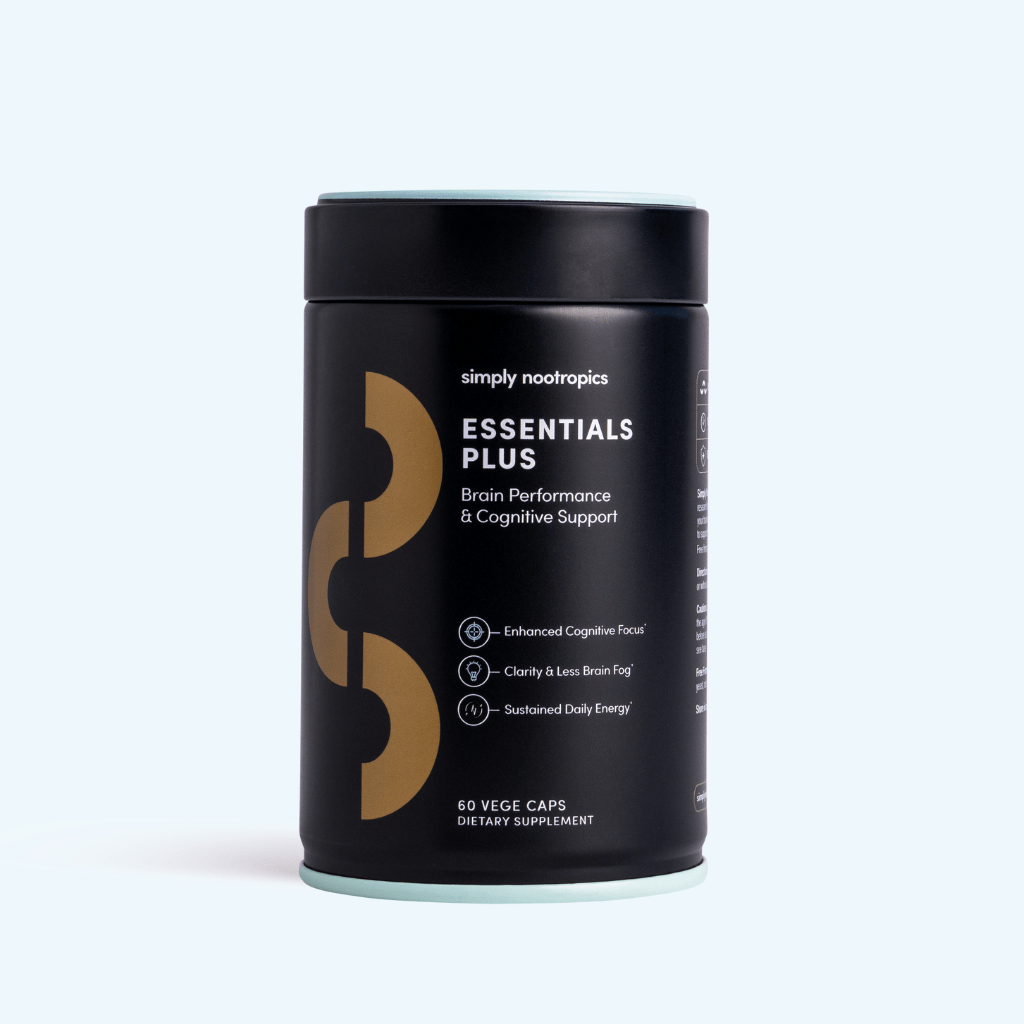
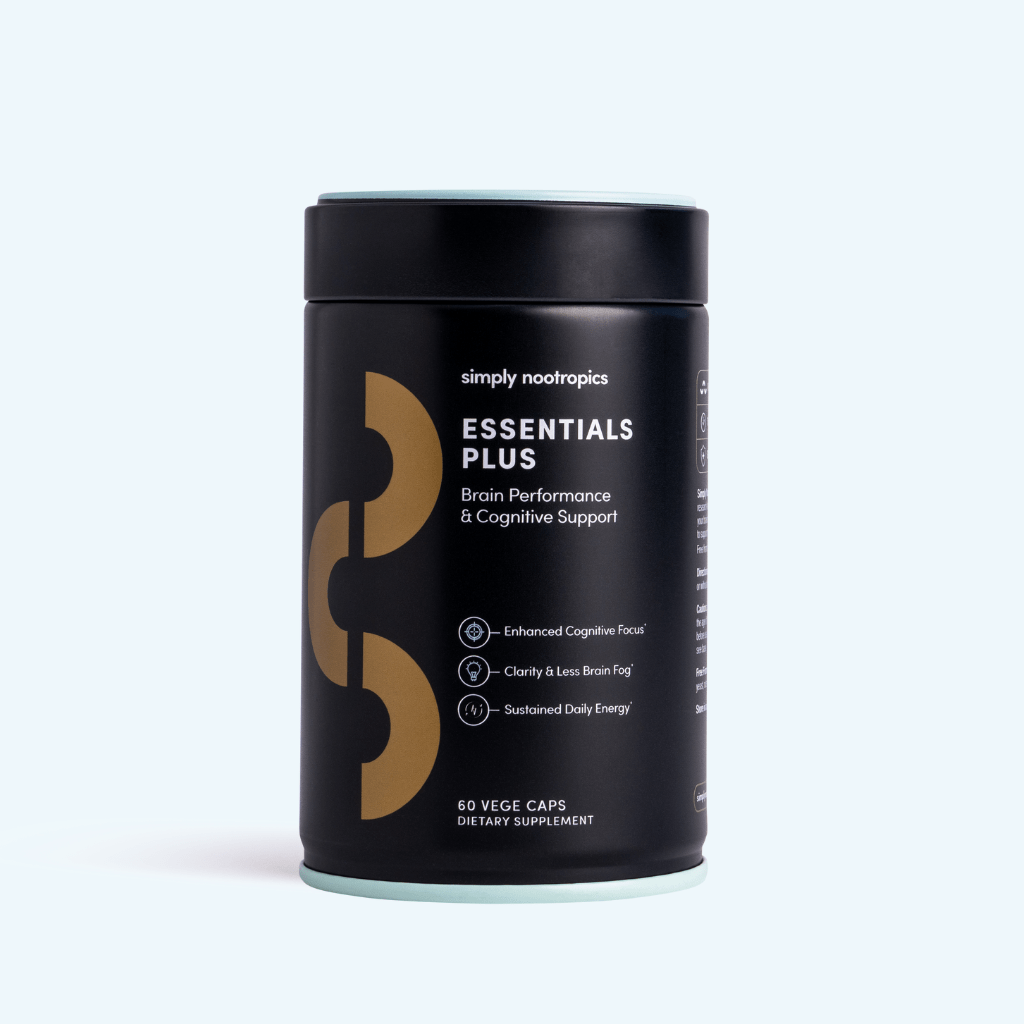
Support Your Memory With Essentials Plus
Smell and memory share a lot of the same wiring, which is part of what makes scent so powerful. If you want to look after the memory side of that partnership, Essentials Plus is a great place to start.
Two capsules of Essentials Plus each morning bring together lion's mane, Bacopa monnieri, CDP choline, rhodiola, Panax ginseng, ashwagandha, L-theanine and NZ pine bark to support memory recall, focus and mental clarity through the day. Take it alongside your morning smell training, and you give your brain two small daily habits that add up over time.