

This week’s research has one big message: how we sit, scroll, eat, and sleep is really shaping long-term health. From flavanol-rich foods that support blood vessels during long sitting sessions, to the dangers of DIY “miracle cures,” to misleading TikToks about gout, and the impact of anxiety and insomnia on the immune system - the science keeps pointing back to the same place: small, consistent behaviours matter.
1. Flavanols May Help Protect Blood Vessels During Long Periods of Sitting
A new study from the University of Birmingham, suggests that foods rich in flavanols, like tea, berries, apples, and high-flavanol cocoa, may help protect blood vessels during extended sitting.
The problem: we sit. A lot.
Young adults are estimated to spend around six hours a day seated, and uninterrupted sitting reduces how well blood vessels dilate and respond. Earlier work has shown that even a 1% drop in FMD (Flow-mediated Dilatation) is linked to a meaningful rise in cardiovascular risk.
The study at a glance
Forty healthy young men (half with high fitness, half with lower fitness) completed a two-hour sitting trial. Before sitting, they drank either:
-
A high-flavanol cocoa drink (695 mg flavanols), or
-
A low-flavanol cocoa drink (5.6 mg flavanols)
Researchers measured FMD in arm and leg arteries, blood flow, shear rate, blood pressure, and leg muscle oxygenation.
What they found
-
After the low-flavanol drink, participants showed:
-
Reduced FMD in arm and leg arteries
-
Increased diastolic blood pressure
-
Reduced blood flow and shear rate
-
Lower muscle oxygenation in the legs
-
After the high-flavanol drink:
-
FMD did not decline in either the arm or leg
-
Both fitter and less-fit men maintained vascular function
Fitness alone didn’t prevent sitting-related vascular dips, but flavanols did.
Everyday takeaway
You don’t need lab-grade cocoa to benefit. Flavanols are found in:
-
Black and green tea
-
Berries and apples
-
Grapes, plums, some nuts
-
Cocoa processed to preserve flavanols
Especially on long desk days or flights, these foods might offer a simple, realistic layer of cardiovascular support.
2. MMS (Miracle Mineral Solution): A “Cure-All” That Harms Healthy Cells Too
Researchers at Wroclaw Medical University took a hard look at Miracle Mineral Solution (MMS), a product aggressively marketed online as a cure for almost everything.
MMS is based on sodium chlorite, which, when acidified, produces chlorine dioxide. This compound is a powerful disinfectant used in water treatment and industry, not something intended for regular human ingestion.
What the study tested
The team studied acidified sodium chlorite (ASC) in two forms (ASC1 and ASC2), both able to generate chlorine dioxide, and tested them against:
-
Harmful bacteria
-
Bacterial biofilms
-
Beneficial probiotic strains like Lactobacillus rhamnosus
-
Human skin cells and tissue models
Results: effective on bacteria, but at a serious cost
At the concentrations required to break down bacterial biofilms and kill microbes, ASC:
-
Damaged human cells
-
Increased cell death in tissue models
-
Was highly destructive to beneficial bacterial biofilms
In other words: the “effective” dose for killing bacteria was also toxic for human tissues and friendly microbes.
The researchers stressed that industrial chlorine dioxide solutions used under strict control are not comparable to home-made MMS preparations mixed in kitchens with unstandardised droppers and dosing.
Why this matters for longevity
This isn’t just a microbiology story; it’s a misinformation story. MMS is often sold using emotional language, anecdotal “miracles,” and distrust of conventional care, with very real safety concerns.
The authors argue that:
-
Science communication must be empathetic, not mocking
-
People often turn to “miracle” products out of fear, confusion, or frustration
-
Funding independent myth-busting research is essential for public protection
3. TikTok and Gout: When Viral Videos Miss the Evidence
In another example of digital-era health challenges, a paper in Rheumatology Advances in Practice analysed the first 200 TikTok videos that appeared under the search term “gout.”
Gout is a painful form of inflammatory arthritis caused by high urate levels in the blood, which crystallise in joints. It affects an estimated 41 million people worldwide.
Who is talking about gout on TikTok?
The study found that:
-
People with gout or family members were the most common presenters (27%)
-
Health professionals accounted for 24%
-
General public users made up 23%
Most videos aimed to:
-
Give health advice (38%)
-
Share personal stories (20%)
-
Sell products (19%)
The problem: partial truths and missing treatments
Around 79% of videos mentioned gout management, but:
-
The focus was overwhelmingly on diet and lifestyle
-
Foods to avoid (like red meat, alcohol, salt) were heavily emphasised
-
Supplements and “natural” remedies were frequently promoted
-
Only seven videos discussed medicines at all
-
Only two mentioned long-term urate-lowering therapy, the standard, evidence-based approach recommended by rheumatology guidelines
Risk factors were also simplified. Diet and alcohol were highlighted, while key contributors like genetics, kidney function, and body weight were often ignored. This portrayal can make gout seem like purely a “personal choice,” rather than a complex condition with multiple risk drivers.
Takeaway
TikTok clearly has the potential to spread helpful information - but right now, a lot of gout content is incomplete or misleading. The authors argue for more:
-
Evidence-based content created by clinicians and health organisations
-
Clear explanation of long-term treatment options
-
Nuanced framing that avoids blame and oversimplification
4. Anxiety, Insomnia, and the Immune System: NK Cells Take a Hit
Finally, a study published in Frontiers in Immunology looked at how anxiety and difficulty sleeping relate to Natural Killer (NK) cells in young women.
NK cells are part of the body’s frontline immune response. They circulate in the blood, patrol tissues, and help identify abnormal or infected cells early.
Study design
Researchers recruited 60 female students, aged 17–23. Participants:
-
Completed questionnaires on anxiety and sleep
-
Provided blood samples so NK cell counts and subtypes could be analysed
What they found
-
Around 53% reported sleep disturbance
-
75% reported anxiety symptoms
-
Students with general anxiety symptoms had lower NK cell counts and percentages than those without
-
The more severe the anxiety, the greater the reduction
-
Among those with insomnia symptoms, higher anxiety scores were linked to lower levels of peripheral NK cells
A drop in NK cells doesn’t cause an immediate crisis, but over time, a constantly stressed and under-rested immune system may become less efficient at day-to-day defence.
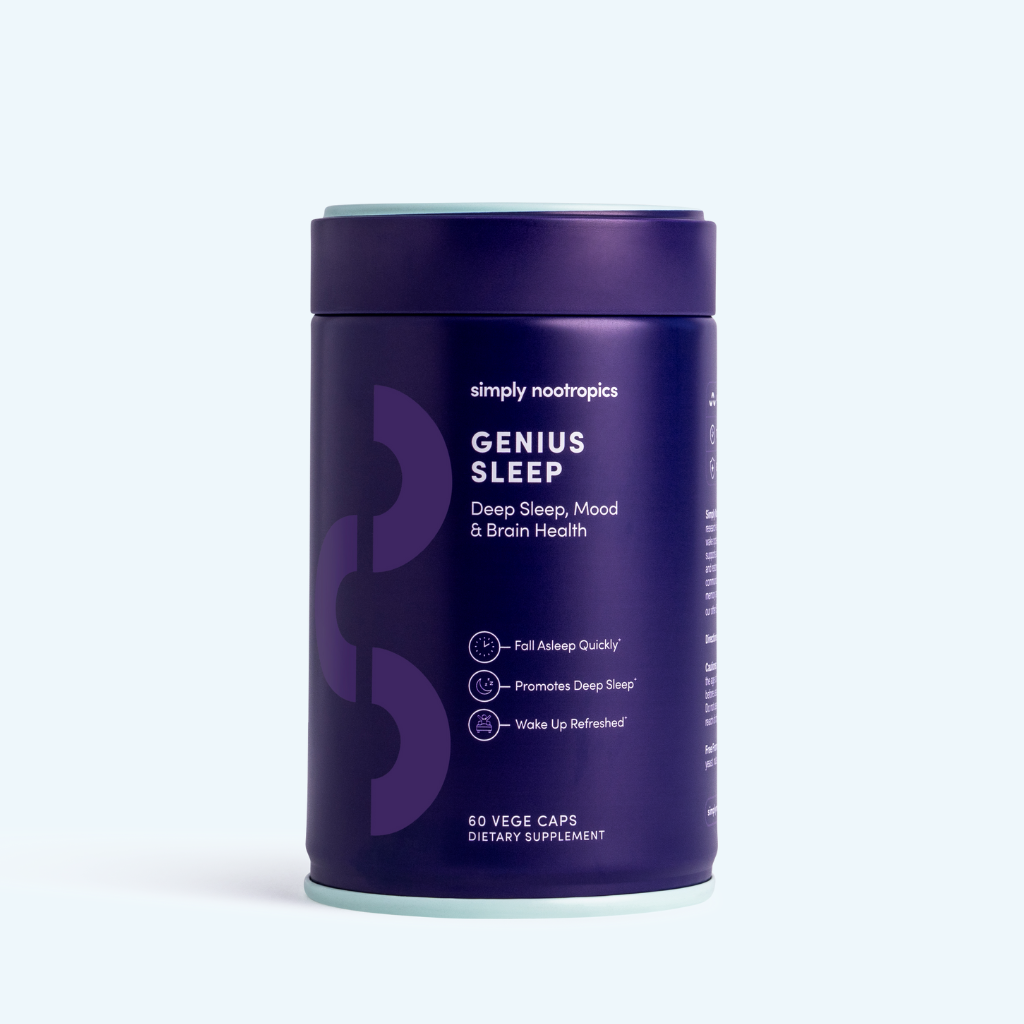
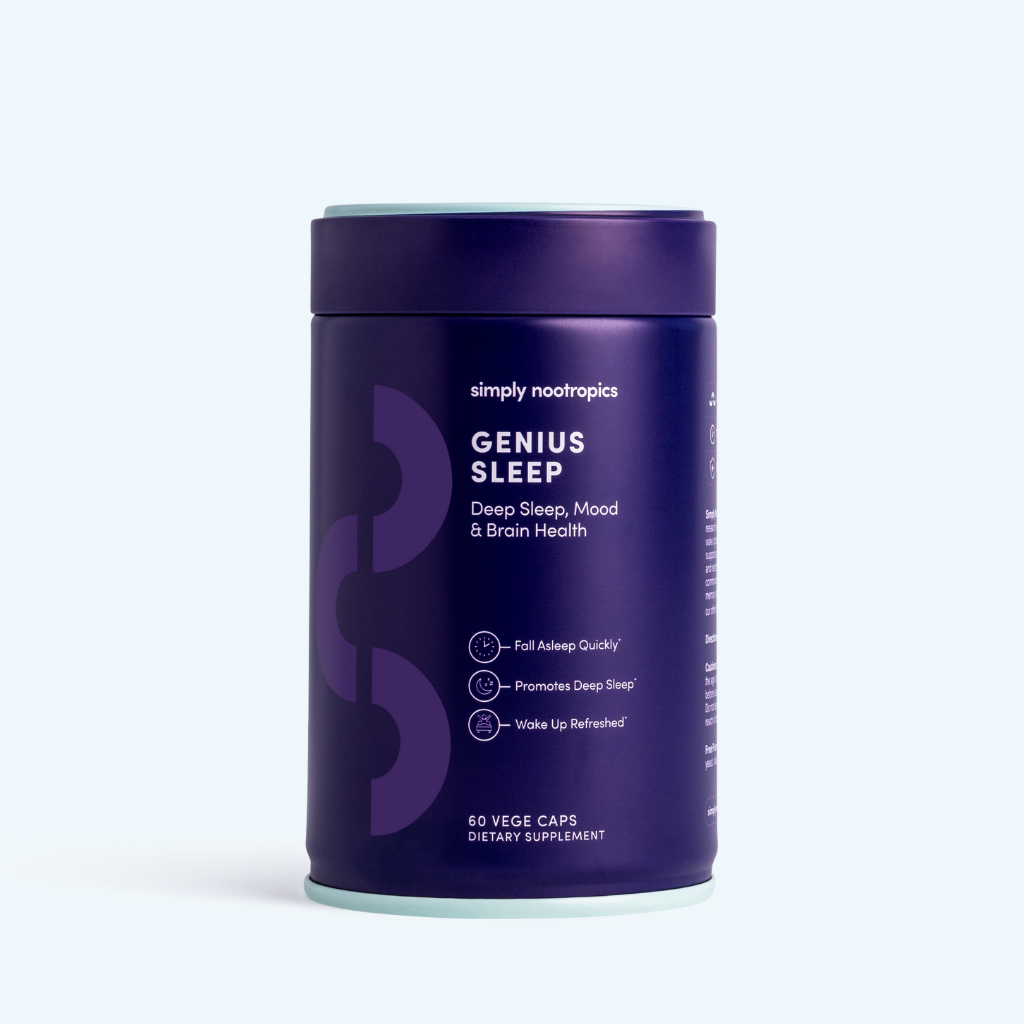
Product Spotlight: Genius Sleep
This week’s research makes one thing especially clear: how we sleep and manage stress has direct biological consequences, including effects on immune markers like NK cells.
While no supplement replaces good sleep hygiene, consistent routines, or stress management, Genius Sleep is designed to support the internal conditions that make restorative sleep more achievable.
In the context of research linking anxiety, sleep disturbance, and reduced NK cells, a calm, deeply restful night isn’t just about feeling better the next day, it’s one of the foundations of long-term, resilient health.
Genius Sleep offers a simple, nightly ritual to support that foundation, alongside everything else you’re already doing for movement, nutrition, and stress.