There's something about a change in season that makes people want to start over. Not in a dramatic, overhaul-everything way, but in a more instinctive sense. The light shifts, the temperature changes, the rhythm of daily life adjusts, and something in the body registers it. Energy levels change. Sleep patterns shift. Appetite, motivation, even mood can feel noticeably different from one season to the next.
This isn't just perception. Seasonal changes have measurable effects on biology: on hormone levels, circadian rhythms, immune function, and the gut microbiome. Which means the habits that worked well in one season may not serve you as well in the next, and the transition period is actually one of the better times to reassess and recalibrate.
Here's how to think about that reset, and what actually moves the needle when the season changes.
Why seasons affect the body more than most people expect
The human body is not a static system. It adapts continuously to environmental input, and light is one of the most powerful of those inputs. As daylight hours shorten heading into autumn and winter, melatonin production shifts, cortisol rhythms adjust, and the body naturally moves toward more rest and conservation. Heading into spring and summer, the reverse happens: more light, more energy, longer waking hours, a natural uptick in activity.
These shifts have downstream effects. Vitamin D levels fluctuate with sun exposure, affecting immune function, mood, and bone health. Serotonin production (closely tied to light exposure) changes across seasons, which is one reason mood and motivation often feel different in winter than in summer. The gut microbiome has also been shown to shift seasonally, changing in composition in response to diet changes, temperature, and the types of foods available.
Understanding this makes seasonal health resets less about willpower and more about working with your biology rather than against it.
Sleep: recalibrate before anything else
Sleep is the foundation that everything else sits on, and it's the first thing to address when seasons change. Shifting daylight hours directly affect your circadian rhythm, the internal clock that governs not just sleep timing but the coordination of hormones, metabolism, and cellular repair across the entire day.
As seasons change, your sleep timing may naturally want to shift too. Rather than fighting this, work with it. If you're moving into winter, honour the body's inclination toward earlier evenings and slightly more sleep. If you're moving into summer, protect sleep quality even when it stays light later: blackout curtains, consistent sleep and wake times, and limiting screens before bed become more important, not less.
Getting morning light exposure within an hour of waking is one of the most effective tools for recalibrating circadian rhythm at any time of year. Even ten minutes outside early in the day anchors your body clock and improves sleep quality downstream. This is free, requires no equipment, and has more evidence behind it than most sleep supplements on the market.
Movement: adjust the type, not just the amount
The pressure to maintain exactly the same exercise routine year-round is one reason so many people fall off completely when seasons change. Cold mornings make early runs less appealing. Short days compress the window for outdoor activity. Hot summers make intense training uncomfortable. Rather than treating these as failures of discipline, treat them as cues to adapt.
In winter, the priority is consistency over intensity - shorter sessions, more indoor movement, strength work that doesn't depend on weather. In the transition into spring, energy levels often rise naturally and this is a good time to increase intensity or add variety. In summer, training earlier in the day before heat peaks, or shifting to evening sessions, maintains momentum without fighting the conditions.
The goal at each seasonal transition isn't to build a perfect routine from scratch. It's to make the smallest adjustments that keep movement habitual rather than heroic.
Nutrition: follow what the season actually asks for
Appetite changes across seasons for good reason. In colder months, the body tends to crave more warming, calorie-dense foods, like soups, stews, root vegetables, healthy fats. In warmer months, lighter meals, more raw foods, and higher hydration become natural. Rather than overriding these signals, work with them.
The nutritional principles that don't change are the ones worth anchoring to: protein at every meal, a wide variety of vegetables, minimal ultra-processed food, and adequate hydration. Everything else can flex with the season.
One thing that does need active attention in lower-light months is micronutrient intake. Vitamin D is the obvious one: most people in temperate climates don't get enough sun exposure in autumn and winter to maintain adequate levels. Magnesium, zinc, and B vitamins are also commonly depleted, particularly in people under chronic stress or with high activity levels.
Stress and the seasonal load
Seasonal transitions often come with changes in external demands. The end of summer means school terms, work deadlines, and the ramp-up toward the end of the financial year. Autumn and winter bring their own pressures: shorter days, less outdoor time, and for many people, a general increase in the kind of low-grade stress that accumulates quietly.
Adaptogens are one of the more evidence-backed tools for supporting the body's stress response without sedating it or artificially stimulating it. They work by modulating the HPA axis, the hormonal pathway that governs how the body responds to stress, helping to blunt excessive cortisol responses while supporting energy and cognitive function.
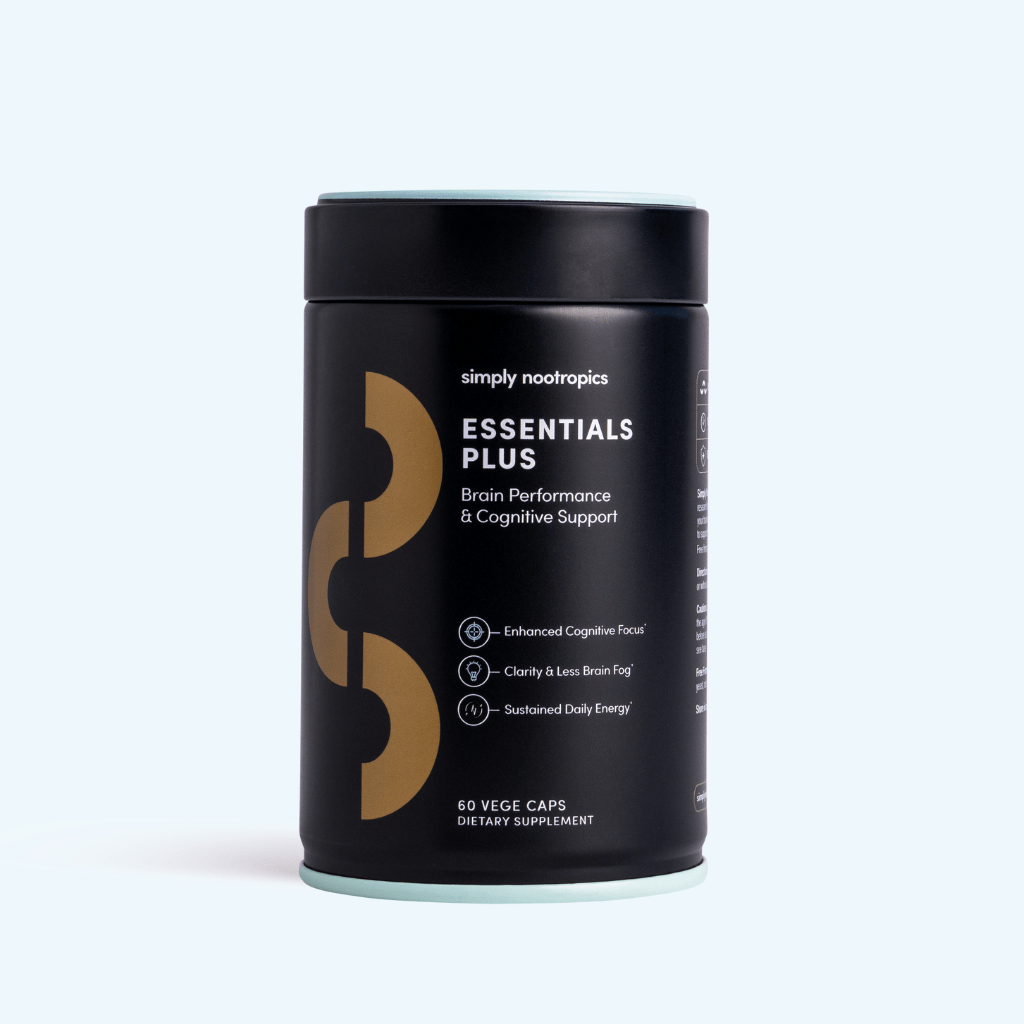
This is exactly where Essentials Plus earns its place in a seasonal reset. Its formula combines eight ingredients (Ashwagandha, Rhodiola Rosea, Panax Ginseng, Brahmi, Lion's Mane, Reishi, NZ Pine Bark, and more) targeting both the adaptogenic and nootropic sides of the equation. Ashwagandha and Rhodiola are among the most studied adaptogens for stress resilience and fatigue, with clinical research supporting their role in reducing cortisol and improving perceived energy. Lion's Mane and Brahmi support cognitive function and focus - the mental clarity that tends to be the first casualty of a season change and a busier schedule.
Taking Essentials Plus consistently through a seasonal transition doesn't override the need for good sleep, movement, and nutrition. But it supports the underlying systems - stress regulation, cognitive function, immune resilience - that make those habits easier to maintain when conditions aren't ideal.