




Burnout isn't just stress. It's not a bad week or a difficult month. By the time most people recognise it, something has genuinely shifted in their energy, their motivation, their ability to think clearly. Understanding why that happens (and what can help) is the first step to actually doing something about it.
What burnout does to your body
When you're under sustained pressure, your body runs on cortisol, the primary stress hormone produced by the adrenal glands. Short-term, this is useful. Cortisol sharpens focus, mobilises energy, and keeps you moving through acute demands. The problem starts when the stress doesn't stop.
Chronically elevated cortisol disrupts nearly every major system in the body. Sleep quality deteriorates, not just duration, but the restorative deep sleep stages that allow the brain to clear waste products and consolidate memory. Immune function drops, leaving you more susceptible to illness at exactly the time your body is already under strain.
Digestion becomes dysregulated. Inflammation increases. The hippocampus, the brain region central to memory and learning, actually shrinks under prolonged cortisol exposure, making it harder to think flexibly, solve problems, or feel any real sense of motivation. This isn't metaphorical. These are structural changes, visible on brain scans, that researchers have documented in people with chronic stress and burnout.
The hormonal picture gets more complicated over time. Sustained high cortisol disrupts the HPA axis, the communication system between the brain and the adrenal glands that regulates the stress response. Eventually, the feedback loop that's supposed to bring cortisol back down stops functioning properly. Some people end up with chronically elevated cortisol; others, after a prolonged period of overactivation, end up with cortisol that's abnormally low. Both states feel terrible, but in different ways. The latter is often when people describe truly hitting a wall: not just tired, but flat. Unmotivated. Struggling to feel anything much. The system that was running too hot has burned out entirely.
At the cellular level, something more fundamental is also happening. Studies measuring telomere length, the protective caps on chromosomes that shorten naturally as cells divide and age, have found that people with high chronic stress have measurably shorter telomeres than their less-stressed counterparts.
The research suggests that prolonged psychological stress can add years to your biological age. Burnout doesn't just feel like ageing faster. There's growing evidence that it actually accelerates the process at a cellular level.
The mitochondrial connection
Energy production happens in the mitochondria, and burnout hits them hard. Your cells rely on a molecule called NAD+ to convert food into usable energy through cellular respiration. NAD+ is also critical for activating sirtuins, a family of proteins that regulate cellular repair, control inflammation, and support the body's ability to respond to stress. Without adequate NAD+, cells struggle to produce energy efficiently, accumulate damage more quickly, and lose their capacity to repair themselves.
The problem is that chronic stress rapidly depletes NAD+ levels. Inflammatory signalling triggered by the stress response activates enzymes that consume NAD+ faster than the body can replenish it. And NAD+ naturally declines with age anyway, dropping by roughly 50% between your 20s and 50s under normal circumstances. Someone in their 30s or 40s dealing with sustained burnout may have cellular energy reserves closer to someone decades older.
This is why burnout fatigue feels qualitatively different from ordinary tiredness. It's not fixed by a good night's sleep or a week off. The machinery responsible for producing energy has been compromised at a fundamental level, and rest alone doesn't rebuild it.
The methylation piece most people miss
There's another layer to burnout that rarely gets discussed outside clinical settings: methylation. This biochemical process happens billions of times per second in every cell in your body. It underpins DNA repair, gene expression, immune regulation, detoxification, and the production and breakdown of neurotransmitters.
It also governs the regulation of homocysteine, a compound produced naturally during metabolism that, when it builds up, is associated with cognitive decline, low mood, and increased cardiovascular risk.
Burnout places enormous demand on your methylation capacity. When the system is overwhelmed (by chronic stress, disrupted sleep, nutritional gaps, or simply the sheer volume of cellular repair that needs to happen) homocysteine accumulates, mood regulation suffers, and cognitive recovery slows significantly. This is why people coming out of burnout often describe a mental fog that lingers long after the stressful period has ended. The stress is gone but the clarity hasn't returned, because the downstream effects on brain chemistry take real time to resolve.
The connection between methylation and mental health is well established. Adequate methylation supports the synthesis of serotonin, dopamine, and norepinephrine, the neurotransmitters most directly involved in mood, motivation, and focus. It also supports melatonin production, which matters for the sleep quality that burnout so reliably destroys. When methylation is impaired, so is your ability to feel like yourself, even once the external pressure has lifted.
What recovery actually requires
Rest is necessary but not sufficient. Removing the stressor helps, but it doesn't automatically reverse the cellular depletion that's occurred. Real recovery means addressing what's actually been lost, the NAD+, the methyl groups, the mitochondrial function, not just waiting for time to do the work.
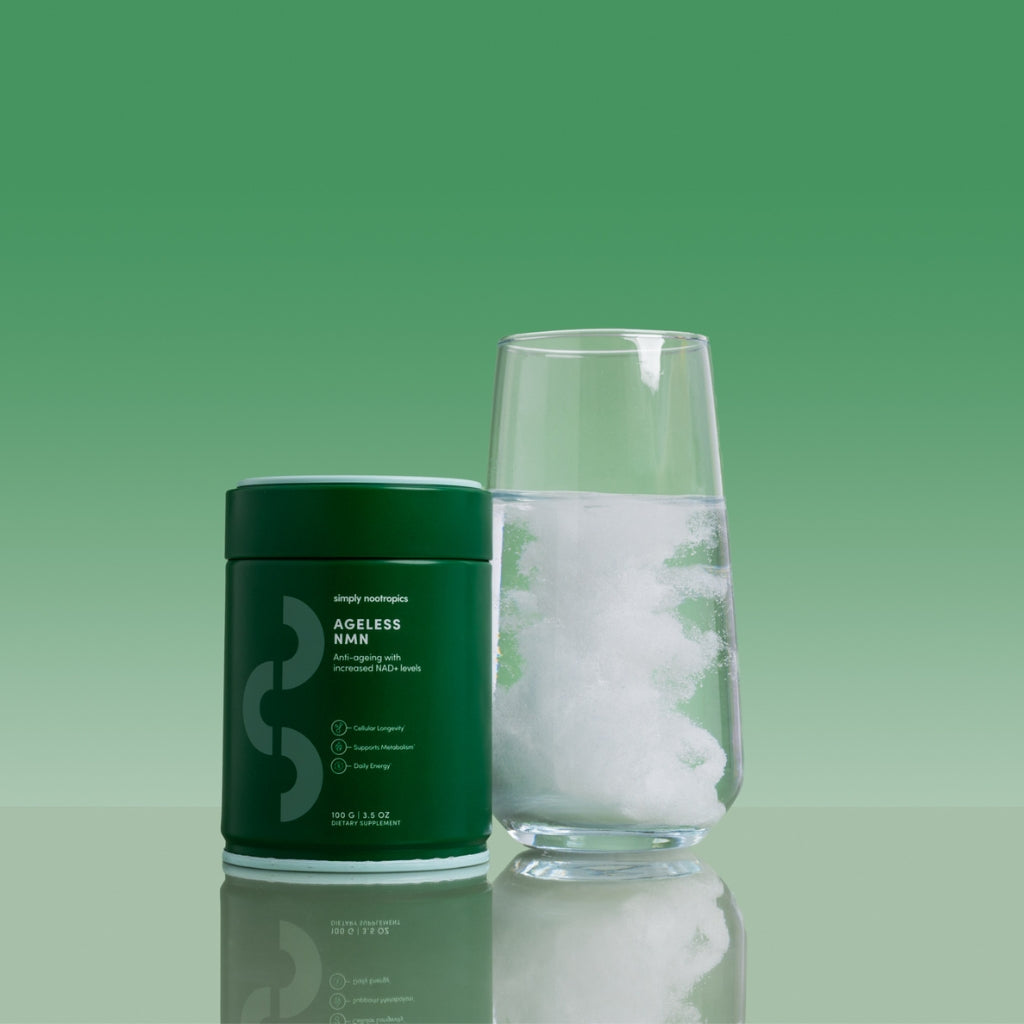
On the NAD+ side, NMN (nicotinamide mononucleotide) is a direct precursor that the body converts efficiently into NAD+. For someone recovering from burnout, supporting NAD+ isn't a biohacking trend, it's addressing a measurable deficiency that rest alone won't correct.
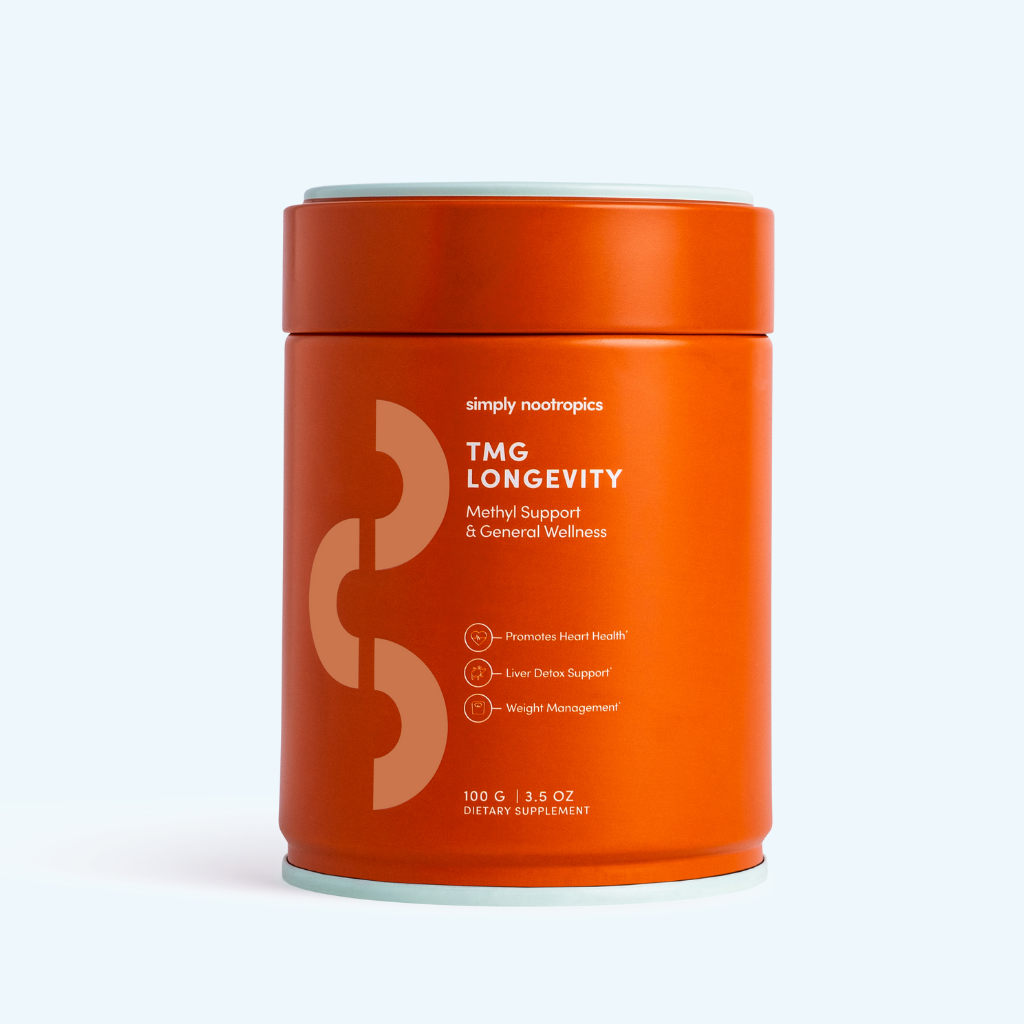
For methylation, TMG (trimethylglycine) is one of the body's primary methyl donors, directly fuelling the processes that chronic stress depletes. It helps regulate homocysteine, supports neurotransmitter synthesis, and contributes to the kind of cognitive recovery that people in burnout are often waiting on. There's also a practical reason to take TMG alongside NMN: the conversion of NMN to NAD+ can consume methyl groups in the process, so taking both together means supporting the full biochemical picture rather than inadvertently creating a new gap while closing another.
Ageless NMN and TMG are formulated with exactly this in mind. Taking Ageless NMN directly addresses the NAD+ depletion that burnout causes, giving your cells the raw material they need to produce energy and carry out repair. TMG supports the methylation side, helping restore the neurotransmitter balance that affects mood, focus, and cognitive clarity. TMG Powder comes free with every NMN Powder order.